
Environment and Climate Change Canada has unveiled its selection of the most significant weather events of the year, spanning the entire Canadian landscape. These annual compilations, initiated in 1996, showcase extreme weather incidents impacting the nation. The latest 2025 roster was recently disclosed without any specific order.
Jennifer Smith, a national warning preparedness meteorologist at Environment and Climate Change Canada, remarked during a media briefing that the past year encompassed a wide array of weather phenomena. She also emphasized the enduring resilience of Canadians throughout the 30-year history of these compilations.
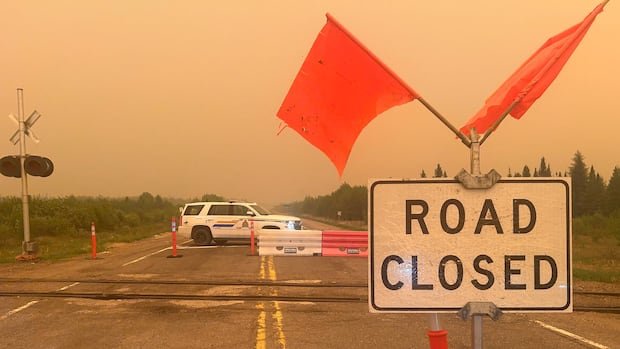
Among the noteworthy narratives in the 2025 edition is the second-largest wildfire outbreak in Canada’s history, scorching over 8.9 million hectares. This followed the devastating wildfires of 2023 that consumed 16.1 million hectares. The 2025 wildfire season compelled over 75,000 individuals to evacuate, with a majority hailing from First Nation communities.
Saskatchewan and Manitoba bore the brunt of the massive wildfires, with blazes not only spreading but also merging, enveloping vast regions in smoke haze. The conflagrations were exacerbated by a widespread drought affecting 85% of the country by September, as reported by the Canadian Drought Monitor, with approximately 76% of agricultural land grappling with dry or drought conditions.
British Columbia endured escalating drought conditions that originated in 2021, while eastern Ontario suffered from a parched summer, causing water levels to plummet in the St. Lawrence River, impacting activities like apple-picking and pumpkin harvesting.
Amidst the perceived waning of summer in August, Western Canada encountered an unexpected heatwave with record-breaking temperatures. Notably, Lytton and Ashcroft in B.C. registered sweltering temperatures exceeding 40°C, setting new September records.
Tuktoyaktuk in the Northwest Territories faced severe flooding in late August, triggered by a potent low-pressure system sweeping through the coastal area, leading to high winds and intense rainfall. The community endured winds exceeding 70 km/h for nearly six hours, resulting in a historic storm surge of 2.62 meters, the highest ever recorded in the region.
These chronicles are just a glimpse of the top 10 weather stories of 2025, which also encompassed destructive Prairie storms, snowstorms in central and eastern Canada, and an ice storm paralyzing segments of Ontario. For a comprehensive overview, visit Environment and Climate Change Canada’s official website.

