

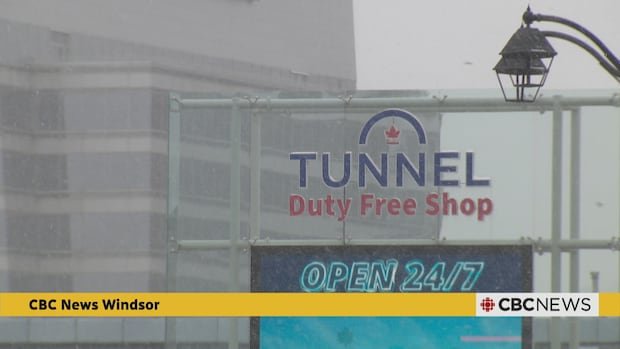
Duty-free shop owners are feeling the negative impacts of the U.S. trade war, with businesses at border crossings in southwestern Ontario experiencing a significant decrease in sales, around 30% lower compared to the previous year. One of the affected shops is situated at the Windsor-Detroit tunnel, and the owner expressed concerns about the upcoming slower season in January.
Abe Taqtaq, the shop owner, mentioned that tough decisions might be necessary if the situation persists. Despite being hopeful for a business recovery, he acknowledged the reluctance of people to travel to the U.S. and encouraged those crossing the border to visit his store.
Reduction in U.S.-bound Vehicle Traffic
Canadian residents’ return trips to the U.S. via passenger vehicles declined by 30.2% in October, as reported by Statistics Canada. The decrease in vehicle traffic from Windsor to Detroit and Point Edward to Port Huron has also been significant, with drops of 5.9% and 27%, respectively, compared to the previous year.
According to data from U.S. Customs and Border Protection, these declines are impacting duty-free shops nationwide. Tania Lee, co-owner of Blue Water Duty Free in Sarnia, expressed similar concerns about the sales decline at her shop and emphasized the challenges faced by duty-free stores across the country.

Lee highlighted the closure of duty-free shops in various regions, including Woodstock, New Brunswick, and the precarious situation faced by other shops in British Columbia and Manitoba. The Frontier Duty Free Association is advocating for federal assistance, such as repayable loans, to support struggling duty-free stores.
The association is also seeking relief from regulatory obstacles that hinder competition and compliance with Canadian labeling requirements for products sold exclusively in the U.S. market.
Lee expressed determination in seeking support from the government, emphasizing the critical need for assistance to sustain duty-free businesses. She underscored the commitment

