
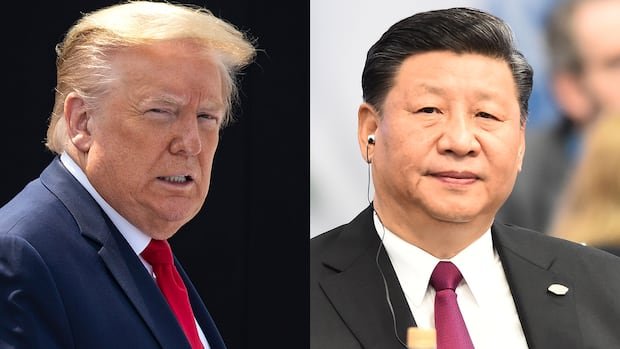
China’s dominance in the rare earth minerals market gives it significant leverage over the U.S., despite recent efforts to reach a trade agreement. The upcoming meeting between U.S. President Donald Trump and Chinese President Xi Jinping at the Asia-Pacific Economic Cooperation summit in South Korea highlights the ongoing trade tensions between the two countries.
A potential trade deal was announced by top officials from both nations, raising hopes of averting tariffs before the leaders’ meeting. The agreement, described as a “substantial framework,” includes provisions such as transferring TikTok’s U.S. operations, resuming soybean purchases by China, and delaying export controls on rare earth minerals for a year.
While the truce between the U.S. and China remains fragile, both countries continue to wield tariffs and other economic tools as bargaining chips. The deal signifies a step towards stabilizing the bilateral relationship, acknowledging the complexities and challenges inherent in the ongoing trade dispute.
Despite the agreement, critical issues such as trade imbalances, China’s overcapacity, security concerns in the South China Sea, and technology competition remain unresolved. The meeting between Trump and Xi is seen as an opportunity to address smaller issues rather than negotiate a comprehensive deal.
Speculation surrounding the meeting intensified following invitations from Xi to Trump, with the U.S. president expressing admiration for his Chinese counterpart. The recent escalation in China’s export restrictions on rare earth minerals underscores its strategic advantage in the global supply chain, prompting responses from the U.S. to bolster its own critical minerals sector.
As both leaders prepare to engage in discussions, their domestic political landscapes offer insights into their positions. Xi’s focus on self-reliance in technology contrasts with Trump’s administration dealing with potential government shutdowns. The outcome of their meeting holds significant implications for global economic stability, highlighting the importance of resolving disputes between the world’s two largest economies.

