
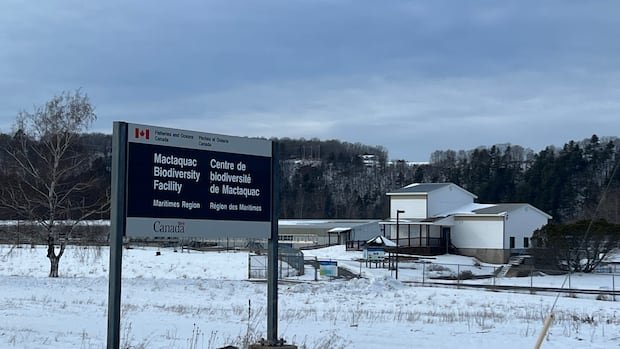
The closure of the Mactaquac Biodiversity Facility in New Brunswick, including the hatchery in French Village below the Mactaquac Dam on the St. John River, has sparked criticism from the Wolastoqey Nation, Atlantic salmon scientists, and conservationists. This decision by the Department of Fisheries and Oceans to shut down the facility, along with a similar one in Coldbrook, N.S., has raised concerns about the discontinuation of the Atlantic salmon live gene bank program and related salmon-stocking activities.
The Wolastoqey group, representing six Wolastoqey communities, expressed deep concerns over the unilateral decision to close the biodiversity operation on the river, also known as Wolastoq, without consultation. They emphasized the impact on the Wolastoqiyik, Aboriginal and Treaty rights, as well as the salmon population and the river ecosystem.
According to Tommi Linnansaari, a biology professor at the University of New Brunswick, the Mactaquac facility conducts various programs crucial for salmon conservation, such as collecting wild brood stock, fertilizing eggs, releasing baby salmon, and maintaining juvenile salmon populations. The closure of the hatchery could lead to severe consequences for salmon populations in the Tobique River and the St. John River, where numbers have drastically declined over the years.
David Roth, the New Brunswick program director for the Atlantic Salmon Federation, highlighted the vital role of the hatchery in sustaining salmon populations and expressed concerns about the potential catastrophic effects of closing the facility and ending stocking programs. The Wolastoqey Nation is evaluating the implications of the decision, including impacts on employment, training opportunities, and salmon conservation efforts.
Despite the lack of official interviews from N.B. Power and the federal fisheries department, it is understood that changes are imminent at the Mactaquac Biodiversity Facility. The closure decision has raised questions about the effectiveness of the hatchery and the need for revamped recovery programs or alternative funding sources. Roth and Linnansaari emphasized the importance of maintaining hatchery operations to preserve genetic strains and prevent irreversible damage to salmon populations.

