
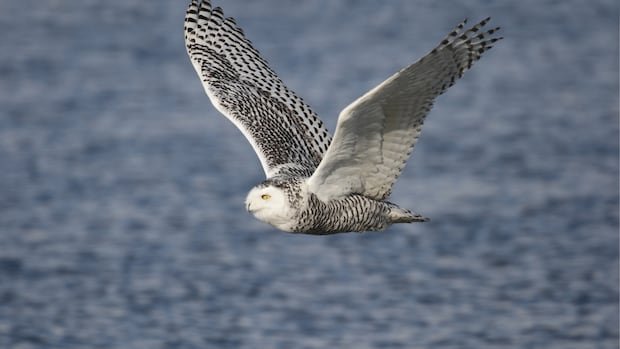
The population of snowy owls soaring over the Arctic tundra is dwindling significantly due to various threats, sparking concerns about their future conservation status. These iconic birds are facing challenges such as habitat loss caused by denser ground cover and difficulties in finding prey. Additionally, collisions with vehicles, buildings, and power poles during migration are contributing to the decline in their numbers.
Currently, the snowy owl population stands at around 14,000 and is decreasing by more than 30% per decade. The species was classified as threatened due to the rapid decline in its population, as highlighted by Syd Cannings, a retired biologist who was part of the Committee on the Status of Endangered Wildlife in Canada.
While a scientific assessment of declining populations does not automatically lead to legal protection, a lengthy process ensues involving researchers, federal authorities, Indigenous groups, and local governments collaborating on conservation efforts after a species is identified as threatened. This process, which can take two years or more, begins with the committee’s scientists studying data for at least two years to determine the species’ status.
According to Cannings, the formal listing of a threatened species under federal law in the North can take over two years from the assessment stage due to the meticulous approach taken by the government to ensure accurate decisions without causing abrupt impacts on stakeholders.
The snowy owl, known as an umbrella species and an environmental health indicator, faces a primary threat from the gradual habitat changes induced by a warming climate. These birds are crucial components of the Arctic ecosystem, primarily feeding on lemmings and ducks, while their nomadic nature makes them vulnerable to habitat alterations.
Various threats, including avian flu and human-induced factors like collisions with structures and poisoning from prey exposed to rodent control substances, further endanger the snowy owl population. The complexity of these threats poses challenges in identifying a singular solution to address the decline in bird numbers, emphasizing the global nature of the issue.
Cameron Eckert, director of the Yukon Bird Club, emphasized the cultural significance attached to the snowy owl’s migration patterns, reflecting a symbolic link between the far North and southern regions. Despite efforts to mitigate climate change impacts and conserve biodiversity, the unpredictable changes in sea ice and lemming populations continue to influence snowy owl populations beyond direct human control, underscoring the intricate challenges faced in preserving these majestic birds.

