
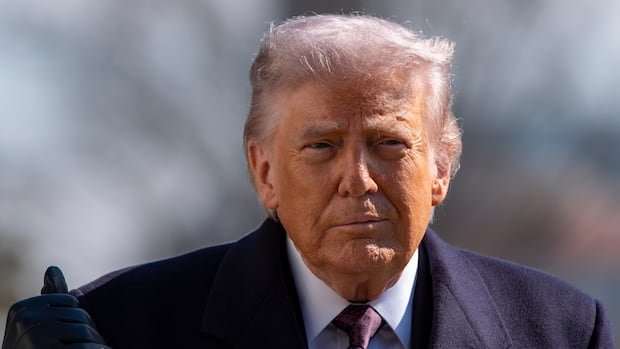
The Trump administration issued a directive on Friday instructing all U.S. agencies to cease utilizing Anthropic’s artificial intelligence technology and enforced additional sanctions, marking a highly publicized clash between the government and the company regarding AI safety concerns. President Donald Trump, Defense Secretary Pete Hegseth, and other officials publicly criticized Anthropic on social media for not granting the military unrestricted access to its AI technology by a specified deadline. This led to accusations of jeopardizing national security as CEO Dario Amodei stood firm on ensuring the company’s products adhered to safeguard policies.
Trump stated on social media that they do not require or desire Anthropic’s technology and vowed not to engage with them in the future. Hegseth labeled the company as a “supply chain risk,” a classification typically reserved for foreign adversaries, which could potentially hinder Anthropic’s crucial partnerships with other organizations. In response, Anthropic argued that designating them as a supply chain risk would be unprecedented for an American company and raised legal and precedent concerns for any U.S. company engaging with the government.
The company had sought specific assurances from the Pentagon regarding restrictions on the use of its AI chatbot Claude, particularly to prevent mass surveillance of Americans and deployment in fully autonomous weapons. Despite the Pentagon’s assurance of lawful deployment, they insisted on unrestricted access to the technology, leading to a standoff. The government’s actions reflect broader tensions surrounding AI’s place in national security, particularly in scenarios involving lethal force, sensitive data, and surveillance.
Trump criticized Anthropic for attempting to strong-arm the Pentagon, announcing that most agencies must immediately cease using the company’s AI technology. However, a six-month transition period was granted to phase out the technology already integrated into military systems. Amid escalating public discourse, Anthropic rejected the government’s contract terms, citing concerns about disregarding safeguards and ethical principles. The situation poses risks for Anthropic amid its rapid growth trajectory in becoming one of the world’s most valuable startups.
Top Trump administration officials, including Pentagon and State Department appointees, voiced criticism towards Anthropic on social media, raising concerns about jeopardizing military operations. The government’s decision to classify Anthropic as a supply chain risk and impose penalties sparked a crescendo of criticism and drew scrutiny over the underlying motivations driving national security decisions. The dispute has drawn attention from AI developers, investors, and industry competitors, with varying levels of support for Anthropic’s stance.
Ultimately, the conflict may benefit competitors in the AI sector, such as Elon Musk’s Grok, as the Pentagon explores alternative options. The rift between Anthropic and government authorities underscores broader debates around AI ethics, national security, and the role of technology in military operations. Amid the fallout, differing perspectives within the tech industry and government stakeholders highlight the complexities of navigating AI integration in sensitive domains.

