
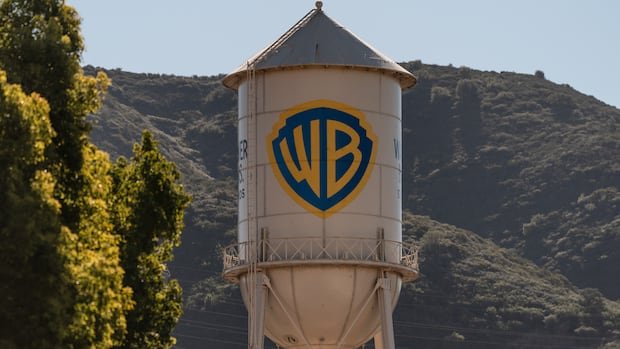
Netflix has decided to withdraw from its attempt to acquire Warner Bros. Discovery’s assets, citing that the deal is no longer financially appealing due to a revised offer from Paramount Skydance. This move signals the likely end of a significant consolidation effort in Hollywood. The decision comes after filmmaker James Cameron raised concerns about Netflix’s proposed purchase of the Hollywood studio, warning that it could have disastrous consequences for the theatrical movie experience.
Netflix had given Warner Bros. a seven-day window to seek a better offer from Paramount, but ultimately chose not to increase its bid. The co-CEOs of Netflix stated that while they believed they could have been responsible stewards of Warner Bros.’ iconic brands, the deal was a “nice to have” at the right price, not a “must have” at any cost.
Both Netflix and Paramount had competing proposals that would reshape the media landscape in different ways and raise competition concerns. Netflix aimed to merge Warner Bros.’ television and film divisions, including HBO Max and DC Studios, into its library, giving it a significant share of content control. On the other hand, Paramount’s bid, backed in part by Larry Ellison, could lead to control over CBS News and CNN, sparking worries about media consolidation.
In terms of the impact on moviegoers, Netflix and Paramount have differing approaches to theatrical releases. While Netflix has released films in theaters before, it has been critical of traditional theatrical models. However, Netflix expressed commitment to releasing Warner Bros. films in both cinemas and on its platform, with a 45-day theatrical window. Paramount, on the other hand, pledged to release over 30 films in theaters and maintain traditional release windows.
As for streaming services, the impact of a merger on platforms like Crave in Canada, which licenses HBO content, remains uncertain. A merger could potentially consolidate content offerings and reshape Paramount’s position in the streaming industry dominated by Netflix.
The potential impact on jobs remains a concern, with unions closely monitoring the situation. DGA president Christopher Nolan highlighted the likelihood of job losses and consolidation resulting from a merger. Media consolidation has emerged as a contentious issue, with concerns raised by lawmakers about antitrust issues and the need to protect consumer interests.
Approval from regulatory bodies like the FCC and scrutiny from antitrust regulators would be required for any deal to proceed.

