
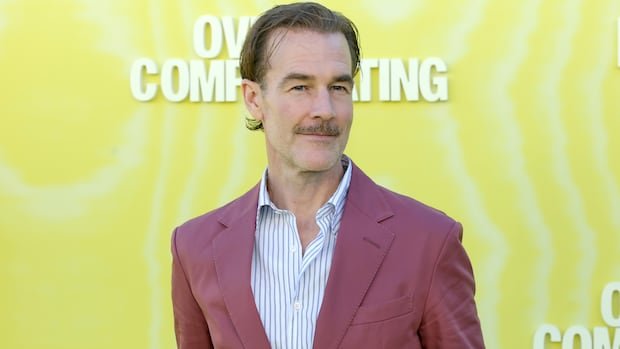
When actor James Van Der Beek from “Dawson’s Creek” passed away from colorectal cancer at the age of 48 recently, it triggered an immediate and ongoing wave of sorrow, sentiment, and solidarity. However, it also sparked some raised eyebrows, particularly regarding a GoFundMe initiative for Van Der Beek’s family, which rapidly amassed over $2.7 million US and is still growing. The fundraiser was intended to assist his wife and six children in covering essential living costs, bills, education expenses, and maintaining their current lifestyle to prevent potential home loss.
The swift reaction from both the public and fans was notable. Culture critic Pablo The Don remarked, “I’ve seen many discussions questioning the need for funds, wondering why they didn’t have savings.” Questions arose about the sudden financial necessity for someone well-known for years through TV and movies.
Van Der Beek, who passed away on February 11, is not an isolated case. In what appears to be a shift in societal norms, celebrities and their associates have increasingly reached out to ordinary fans for support through grassroots fundraising efforts, focusing on personal needs rather than broader causes.
The phenomenon of public figures or their circles seeking financial aid can provoke criticism, particularly when the beneficiaries are perceived to possess more resources and safety nets than those from whom they are seeking assistance. A recent example includes “Grey’s Anatomy” actor Eric Dane, who succumbed to ALS on February 19, almost ten months after disclosing his diagnosis. A GoFundMe page was initially removed but later reinstated to aid “his girls and their future needs,” raising over $400,000 US to date.
Several GiveSendGo campaigns established to aid Erika Kirk, the widow of right-wing commentator Charlie Kirk, collectively amassed millions, although the originators remain undisclosed. Additionally, last year, actress Mandy Moore defended seeking donations from fans to support her brother-in-law and his wife after they lost their home in the L.A. wildfires.
The growing trend of celebrities engaging in crowdfunding has stirred controversy and backlash, both from the public and industry insiders. Criticism often arises from the perception that wealthy individuals could easily cover the costs themselves without relying on fan contributions. Some celebrities, like actor Mickey Rourke, have vehemently distanced themselves from such fundraising initiatives, highlighting the contentious nature of these campaigns.
As crowdfunding becomes more normalized, it becomes increasingly acceptable for high-profile figures to seek public financial support. However, this trend underscores a broader issue of inequality, where celebrities have a significant advantage in garnering attention and donations compared to ordinary individuals facing similar hardships.
This disparity can evoke a sense of unfairness and highlight the inherent privilege of celebrity status in leveraging crowdfunding as a financial safety net. While there are valid arguments for compassion towards public figures seeking aid, there is also a call for celebrities to use their platforms to address systemic issues rather than solely focusing on personal fundraising efforts.
Ultimately, the debate surrounding celebrity crowdfunding underscores complex societal perceptions of wealth, privilege, and personal responsibility. While criticisms and scrutiny are inevitable, it is essential to consider the human aspect behind these fundraising appeals, recognizing the genuine need for support amid personal crises and tragedies.

