
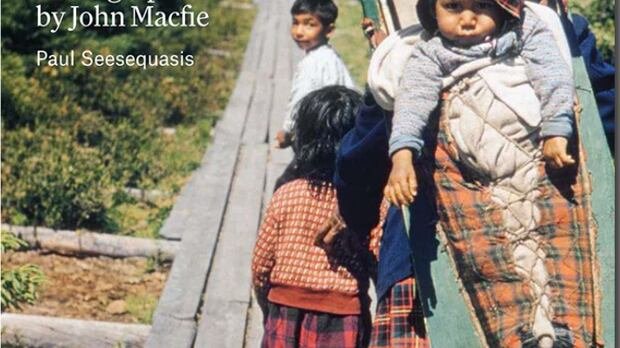
In the 1950s and 1960s, John Macfie, a manager overseeing traplines, journeyed across the Hudson Bay watershed, visiting various thriving communities such as Sandy Lake and Fort Severn. Equipped with his camera, Macfie documented the daily routines of the Anishinaabe, Cree, and Oji Cree individuals he encountered. These captivating images have been compiled into a book titled “People of the Watershed.”
The Lake of the Woods Museum in Kenora, Ontario, is currently hosting an exhibition showcasing these historical photos until December 21. The curator of the exhibit and the author of the book, Paul Seesequaisis, hails from the Willow Cree community in Saskatchewan.
Speaking with Mary-Jean Cormier on “Superior Morning,” Seesequaisis shared his journey of discovering Macfie’s photos during the pandemic. He stumbled upon these photos in the Archives of Ontario and was fascinated by their coverage of a vast region during the specified period.
Initiating contact with Macfie via Facebook, Seesequaisis uncovered the remarkable life of the trapline manager, who traversed the Hudson Bay watershed from the early 1950s until his retirement in the early 1960s. Macfie’s dual role as an amateur photographer and community journalist in Perry Sound left a significant legacy captured in his photography.
Seesequaisis highlighted Macfie’s unique vantage point, enabled by his role, to document a transitional period in northern Ontario where people relied on the land and the fur trade. The vivid colors in Macfie’s photographs, particularly in the People of the Watershed collection, offer a glimpse into a bygone era marked by a semi-nomadic lifestyle.
Reflecting on notable images, Seesequaisis mentioned the Tikinagans, wooden carriers for babies, and Maria Mikenak, a self-sufficient bush dweller. These photographs not only provide aesthetic appeal but also offer insights into cultural practices being revived in present times.
Regarding the photographer-subject relationship, Seesequaisis emphasized Macfie’s personal connection with the communities he photographed, transcending the typical observer-subject dynamic. This rapport lent an intimacy to Macfie’s images, portraying them in a more authentic light.
Through the exhibition and book publication, Seesequaisis has received messages from individuals recognizing their family members in the photographs, underscoring the impact and relevance of Macfie’s work in preserving personal histories.
For more information, visit the Source link.

