
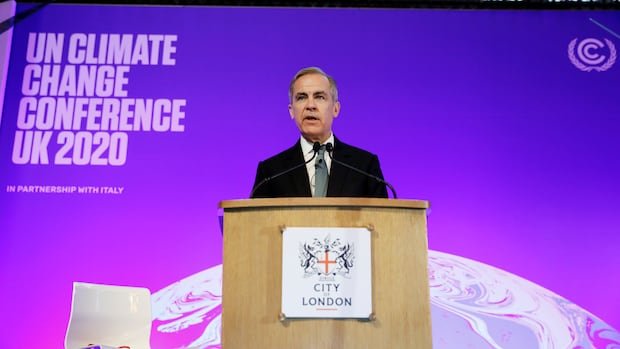
Canadian Prime Minister Mark Carney, known for his background as an economist and central banker, has also played a significant role in advocating for climate action. In a notable speech at Lloyd’s of London in 2015 during his tenure as head of the Bank of England, Carney highlighted the pressing issues of climate change and the importance of timely action.
Over the years, Carney utilized his economic expertise to raise awareness about the financial risks associated with global warming and the opportunities presented by transitioning to clean energy. While emphasizing that policy decisions are the responsibility of governments, Carney’s stance on climate change has evolved since his earlier advocacy days.
As prime minister, Carney has made controversial moves such as dismantling Canada’s consumer carbon pricing mechanism and freezing EV mandates. He has also shown support for expanding LNG exports, carbon capture technology, and engaging in discussions about pipelines with key stakeholders.
Despite his past dedication to climate issues, some are questioning Carney’s current priorities, especially in light of recent policy changes. While awaiting the government’s climate competitiveness strategy, concerns have been raised about the shift in Carney’s environmental commitments.
After leading the Bank of Canada and the Bank of England, Carney took on roles focusing on climate and ESG investing. His experiences overseeing the insurance industry at the Bank of England heightened his awareness of the financial risks posed by climate change.
Carney’s initiatives to mobilize the financial sector for climate action, including co-chairing the Glasgow Financial Alliance for Net Zero, have faced challenges, with the collapse of certain alliances reflecting ongoing shifts in the landscape.
As he promises a comprehensive climate plan for Canada, doubts persist regarding the government’s approach to climate policy. The need for transparency and strong commitments to achieving emissions reduction targets remain critical concerns among environmental advocates and industry experts.
Despite ongoing skepticism, many still believe in the government’s responsibility to address climate change effectively. Balancing multiple goals, including economic competitiveness and emissions reduction, presents a complex challenge that requires careful consideration and strategic planning.
Carney’s evolving stance on climate action and the scrutiny surrounding his environmental commitments underscore the importance of public engagement and political accountability in driving meaningful change on climate issues.

