
A federal program that supports organizations conducting marine and beach cleanups is making a comeback, albeit with reduced funding compared to previous years. The Department of Fisheries and Oceans revealed to CBC News that the relaunched Ghost Gear Fund will provide $15 million over a three-year period. The specific commencement date of the fund’s operation and any alterations to application criteria were not disclosed.
Angela Riley, the founder of Scotian Shores, expressed enthusiasm about the fund’s return, as her organization has benefited from it previously. However, she highlighted that the allocated $15 million for three years may not suffice considering the broader context.
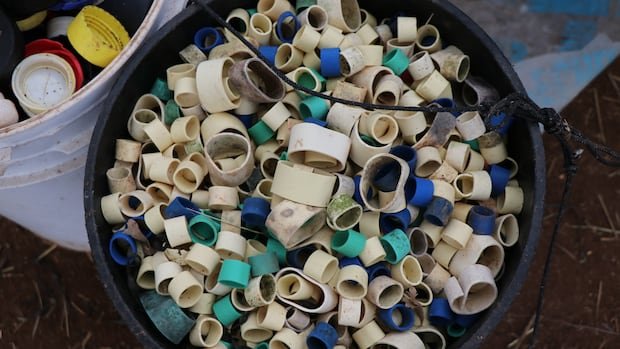
Ghost gear, which refers to lost, abandoned, or discarded fishing equipment, contributes significantly to plastic pollution in the oceans, particularly in regions like Atlantic Canada with a rich fishing heritage. The Ghost Gear Fund, initially established in 2020, supported 134 cleanup projects in Canada and globally with $58.3 million between 2020 and 2024, with no funding assigned for 2025.
Following Nova Scotia’s discontinuation of its Marine Debris Clean-up Program earlier this year, the federal initiative’s return brings relief to organizations like Scotian Shores, aiding them in tackling marine litter in Nova Scotian coastal waters.
The Fundy North Fishermen’s Association, based in St. George, New Brunswick, also received funding for cleanup efforts. Darlene Norman-Brown, the association’s assistant director, emphasized the substantial impact of the funding, enabling more in-water retrieval trips, which are crucial for clearing ghost gear from the waters.
In-water cleanups are costly endeavors, with fishermen facing minimal compensation that often barely covers expenses like fuel, crew time, and daily operational costs. Despite the financial challenges, these dedicated efforts play a vital role in safeguarding marine ecosystems from the harmful effects of ghost gear pollution.
As the Ghost Gear Fund emphasizes responsible disposal practices, there are concerns that the allocated funding may be quickly depleted due to recycling initiatives. Angela Riley highlighted the potential rapid consumption of funds for recycling activities.
The Department of Fisheries and Oceans is currently working on a “Ghost Gear Action Plan,” expected to be finalized in 2027, to further address the issue of ghost gear pollution in marine environments.

