
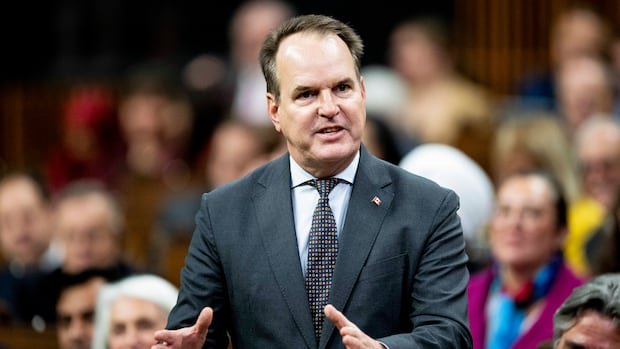
Liberal House leader Steven MacKinnon has highlighted that the current government lacks sufficient votes to pass the upcoming federal budget. In an interview on “Rosemary Barton Live,” MacKinnon emphasized the importance of opposition parties in deciding whether to proceed with an election, considering the minority government situation. The budget, scheduled for tabling on Nov. 4, requires cooperation from at least one other party for passage, as it holds the confidence vote status, potentially leading to an election if not approved.
Regarding the ongoing discussions, MacKinnon mentioned that opposition parties, including the Conservatives and the Bloc Québécois, have been outlining their demands publicly and in private discussions with Prime Minister Mark Carney. Conservative Leader Pierre Poilievre’s demands include an “affordable budget” with tax cuts and deficit control, advocating against the industrial carbon tax. On the other hand, Bloc Québécois Leader Yves-François Blanchet is pushing for increased federal health transfers, infrastructure investments, rapid housing initiatives, and higher Old Age Security payments for specific age groups.
Criticism arose from MacKinnon towards the demands made by Poilievre, labeling them as unattainable and detrimental to federal revenue. Despite tensions, MacKinnon expressed a more positive stance towards NDP Leader Don Davies, acknowledging the NDP’s constructive feedback in contrast to other opposition parties.
Prime Minister Carney has been preparing for a substantial budget release, aiming to strengthen Canada’s economy amid challenges like U.S. tariffs. Carney stressed the need for preparedness for potential sacrifices and challenges, urging timely actions to alleviate pressures on the economy. MacKinnon emphasized the necessity of balancing government operations and investments, focusing on enhancing supply chains to diversify markets beyond the United States.
As discussions continue and decisions loom, the government remains steadfast in its commitment to making essential choices for the country’s economic progress.

