
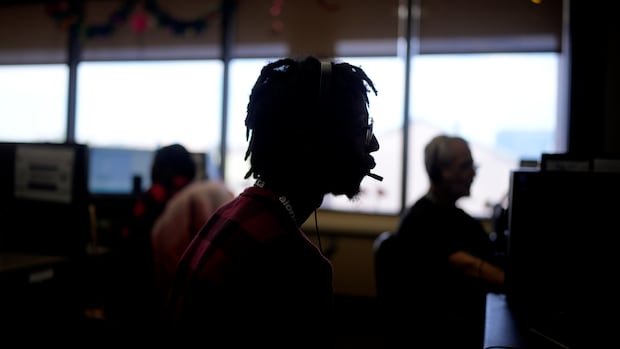
Telecom employees are advocating for government regulations on artificial intelligence usage in the industry, citing concerns about worker monitoring and altering the accents of overseas call center staff. The Canadian Telecommunications Workers Alliance raised these issues before the House of Commons’ standing committee on industry and technology in Ottawa on April 30.
Comprising major unions like Unifor, the United Steelworkers union, and the Canadian Union of Public Employees, the alliance represents 32,000 workers in Canada’s telecom sector, including employees at Bell, Rogers, and Telus. Roch Leblanc, Unifor’s telecommunications sector director, expressed awareness of a company using AI to mask offshore agents’ accents, potentially misleading customers into believing they are interacting with Canadian-based staff unknowingly outsourced.
Leblanc highlighted the loss of approximately 20,000 telecom jobs in the past decade due to automation and offshoring, with concerns that AI could further accelerate this trend. He emphasized the advanced AI applications in monitoring workers, such as tracking technicians’ activities and time spent on tasks, along with analyzing call center dialogues to redirect calls or identify sales-related patterns.
Nathalie Blais, a research advisor from the Canadian Union of Public Employees, emphasized the need for AI to serve the common good rather than mislead or displace workers. The alliance proposed establishing a permanent federal working group on AI to foster collaboration among government, industry, and civil society in overseeing AI implementations.
In response, Artificial Intelligence Minister Evan Solomon assured that the upcoming national AI strategy would assess the technology’s impact on the labor market. The alliance also called for enhanced job security, worker rights protection, and safeguarding Canadians’ data privacy.

