
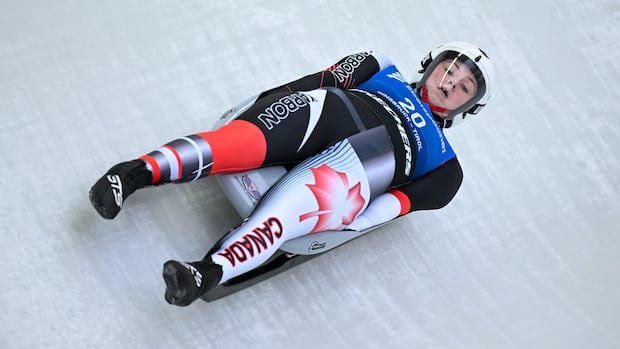
In a perfect scenario, Canadian luger Caitlin Nash would be reaching her peak form in time for the 2030 Olympics. However, Nash is concerned that she might not even have the opportunity to compete due to financial constraints. She expressed her worries about the financial burden becoming unsustainable in the long run, leading to potential early retirements for athletes after the current cycle across various sports in Canada.
For the past two decades, core funding for sports from the federal government has remained stagnant, failing to keep up with the rising costs due to inflation. This has put a strain on national sport organizations (NSOs), with recent notifications of funding cuts from the government. While overall spending levels may stay constant, the increasing number of athletes has led to a redistribution of financial responsibilities, causing challenges for NSOs to operate effectively.
Nash highlighted the escalating costs she faces, including team fees of $25,000 for the current Olympic season, compared to $20,000 from the previous season. Similarly, Bobsleigh Canada Skeleton (BCS) saw a significant rise in team fees, jumping from $2,000 in 2022 to $25,000 this season. The financial burden has also affected Olympic medallists like speed skater Isabelle Weidemann, who disclosed being in debt due to covering expenses that Speed Skating Canada can no longer afford.
The lack of sufficient funding has led athletes to seek additional income sources, such as sponsorships and part-time work. Despite their dedication and resilience, athletes and NSOs are struggling to secure sustainable financial support, potentially jeopardizing the future participation of talented individuals in sports. This financial crisis in Canadian sports underscores the urgent need for increased investment and support from all sectors and levels of government to ensure the success and sustainability of the country’s sports system.

