
Before the recent federal budget announcement, the CEO of Saab, a Swedish industrial company, visited Ottawa to meet with a top Canadian official, sparking speculation of a potential agreement between the Canadian government and the defense manufacturer.
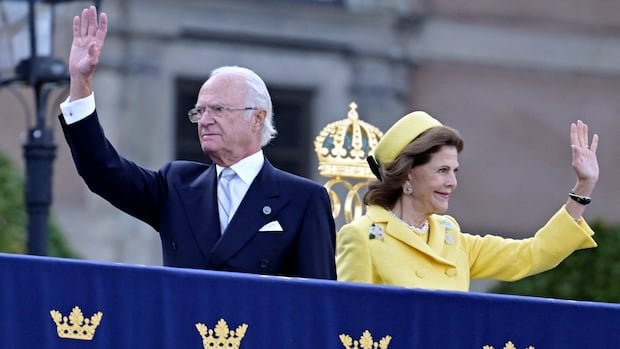
Sources revealed that the meeting between Michael Sabia, the Privy Council clerk, and Micael Johansson indicated Canada’s interest in procuring European military equipment and enhancing its domestic production capabilities. This interest is set to be further emphasized during the upcoming visit of Swedish King Carl XVI Gustaf and Queen Silvia, who will lead a delegation including Sweden’s deputy prime minister, Ebba Busch, and defense minister, Pål Jonson, along with representatives from over 60 Swedish businesses.
The visit aims to strengthen Canada’s military ties with Sweden, a fellow NATO and Arctic nation, following a recent commitment by the Canadian government to boost defense spending significantly. Notably, Saab, known for producing Gripen fighter jets and GlobalEye surveillance aircraft, is looking to expand its presence in Canada, particularly in partnership with Bombardier for the production of Gripens for the Canadian market and potential clients like Ukraine.
The backdrop of these discussions includes strains in Canada-U.S. relations under the Trump administration, leading to a reassessment of military procurement plans. While Ottawa remains committed to purchasing some F-35 fighter jets from the U.S., there is growing consideration of a mixed fleet that includes both F-35s and Gripens for the Royal Canadian Air Force.
Experts point out that the Gripen E offers cost advantages over the F-35 in terms of operational expenses, but managing two aircraft fleets would entail additional complexities in terms of training and infrastructure. With a focus on diversifying military partnerships, Canada is exploring alliances with countries like Sweden to reduce its dependence on American defense suppliers.
Saab’s willingness to collaborate with Canadian companies and share its technology could provide long-term benefits, particularly if Canada participates in the development of future fighter jet generations. This strategic shift aligns with Canada’s aim to enhance its autonomy in defense procurement while fostering international partnerships for mutual benefit.

