
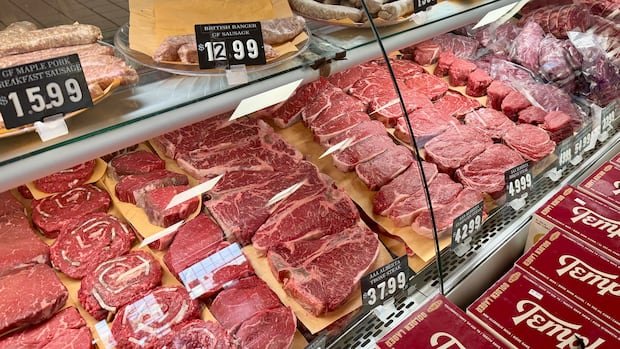
As Canadians gear up for the grilling season, many are facing steep prices for steak and hamburgers. The cost of beef has soared to record levels, up by 62.6% since 2021, driven by prolonged droughts, reduced cattle herds, and escalating production expenses, as per Statistics Canada data. Recent statistics from April indicate a 12.5% increase in beef prices over the past year, reaching a peak surge of 17.7% in November 2025.
Shopper Linda Brown from Calgary expressed her dismay, saying, “I usually opt for hamburger, and occasionally a steak. But buying steak still pinches the wallet due to its high cost.” The surge in prices is attributed to the constrained cattle supply, stemming from persistent drought challenges. Despite this, consumer demand for beef remains robust, hitting record levels.
Industry analysts point out that the current pricing challenges have roots in issues that emerged several years ago. Severe drought conditions in Canada, the United States, and Mexico in 2021 led ranchers to downsize their herds due to feed shortages and poor pasture conditions. Consequently, prices have steadily risen, with Canada witnessing its lowest beef herd levels in four decades. However, there are early signs of recovery now.
In a positive turn, the Canadian cattle herd marked its first growth since 2018, with an increase of 2.5% to 11.1 million cattle and calves at the beginning of this year, according to Statistics Canada. This growth has encouraged ranchers like Kent Holowath from Rumsey, Alta., who manages 175 cows, to consider expanding their herds. Despite the promising signs, rising costs pose challenges for industry players like Holowath, whose operation expansion is hindered by escalating expenses.
Although relief from high beef prices may not be immediate, with the livestock cycle taking two to three years to normalize, consumers are adjusting their preferences. Customers at the Calgary meat market are exploring alternatives like brisket, chuck roast, and tri-tip, or transitioning to more affordable protein options like chicken or pork, amid the pricing pressures. And while beef consumption remains a significant portion of sales, cost constraints are impacting profit margins for retailers like Greg Keller.
Looking ahead, the recovery of herds will hinge on weather conditions, with dry conditions across the Prairies posing a concern. Some producers are leveraging high prices to downsize their herds and retire. Presently, tight supply conditions persist, with expectations of price stability at current levels in the near term, according to Canfax’s Brenna Grant.
Despite the challenges, the love for beef among Canadians endures. The protein demand surge globally continues to support not just beef but all proteins. However, until supply aligns with demand, beef may not feature prominently in grocery store promotions anytime soon, cautioning consumers expecting respite from soaring prices during their summer barbecues.

