
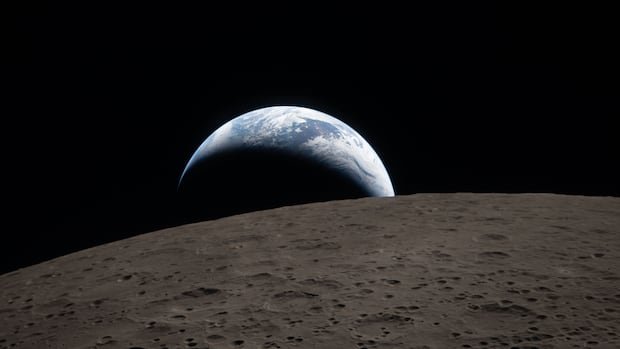
NASA is pursuing an ambitious goal known as a “moonshot,” defined as a plan to achieve something seemingly impossible. Originally, this term referred to the historic moon landing in the 1960s. Currently, NASA’s moonshot involves returning astronauts to the lunar surface by early 2028, a tight timeline.
While the task itself is not impossible, the challenge lies in the schedule. NASA aims to land astronauts on the moon in just 24 months, but the necessary lunar landers from Jeff Bezos’s Blue Origin and Elon Musk’s SpaceX are not yet complete. SpaceX’s Starship rocket, crucial for this mission, is still undergoing testing and not ready for deployment.
Past experiences with delays and cost overruns have raised concerns about NASA’s ability to meet ambitious deadlines. The agency’s track record with projects like the space shuttle and International Space Station (ISS) has been marred by delays. Experts question whether NASA, SpaceX, and Blue Origin can complete the necessary work within the proposed timeline.
NASA recently announced changes to its Artemis program, delaying the lunar landing mission to Artemis IV in 2028. Challenges such as the unavailability of lunar landers and delays in spacesuit development further complicate the timeline. Both SpaceX and Blue Origin face technical hurdles, including the need for in-space refueling for the lunar missions.
The complexity of current missions contrasts with the simpler Apollo era, raising doubts about the feasibility of achieving the 2028 deadline. Issues such as unproven ship-to-ship transfer capabilities and the need for extensive testing before crewed missions add to the uncertainties surrounding the timeline.
Despite these challenges, NASA remains optimistic about meeting its objectives. However, the race to the moon against China’s similar ambitions by 2032 adds pressure to the timeline. The outcome remains uncertain, with experts acknowledging the tight competition between the two space-faring nations.

