
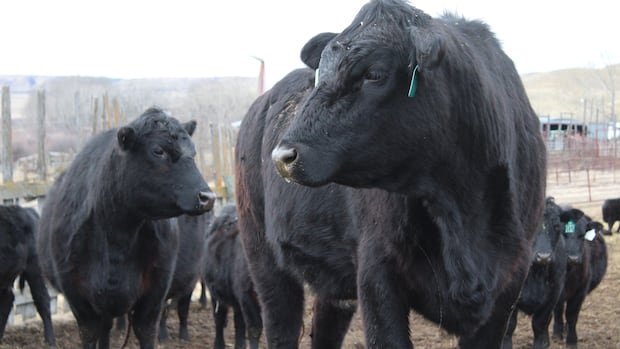
A groundbreaking innovation from the University of Saskatchewan could potentially reduce the duration of calving season for beef producers. The discovery involves the adaptation of Cetrorelix, a hormone drug typically used in human in vitro fertilization (IVF), for use in cattle reproduction.
Dr. Jaswant Singh, a veterinarian and researcher at the Western College of Veterinary Medicine, along with graduate students Dylan Farmer and Carlos Leonardi, found that Cetrorelix effectively synchronizes ovulation in cows, leading to a condensed timeframe for pregnancies and subsequent calving. This synchronization method aims to streamline labor costs and improve animal management by ensuring calves are born closer together, resulting in increased weaning weights and potential financial gains for farmers.
Garner Deobald, a beef rancher and marketing manager at BoviGen Genetic Services in Saskatchewan, expressed enthusiasm for the new drug’s potential benefits in enhancing breeding practices. If proven effective, Cetrorelix could revolutionize artificial insemination methods, offering farmers a more reliable approach to breeding that emphasizes genetic selection and calf quality.
The University of Saskatchewan has applied for a patent for Cetrorelix and is collaborating with pharmaceutical companies to bring the drug to market. Dr. Singh anticipates widespread adoption of the innovation, not only in Saskatchewan but globally, with promising results observed in animal trials. The drug’s affordability and progress through regulatory processes signal a positive outlook for its future implementation in the agricultural sector.

