
Britain has announced significant changes to its asylum policy, including making refugee status temporary and extending the wait for permanent settlement to 20 years, a fourfold increase from the current duration.
The Labour government has been strengthening its immigration stance, particularly concerning illegal small-boat crossings from France, in response to the rising influence of the populist Reform UK party, which has been driving the immigration narrative.
Citing inspiration from Denmark, the government’s new policy has faced criticism from rights groups due to its stringent nature, aligning with the prevailing anti-immigrant sentiment across Europe that has prompted stricter immigration controls in several countries.
As part of the revisions, the Home Office announced the removal of the statutory obligation to provide support, such as housing and weekly allowances, to certain asylum seekers. The department, led by Shabana Mahmood, emphasized that taxpayer-funded assistance would prioritize individuals contributing to the economy and local communities, while excluding those who can work but choose not to or engage in unlawful activities.
The Home Office also specified that refugee protection would now be temporary, subject to regular reviews, and revoked if the individual’s home country is deemed safe for return.
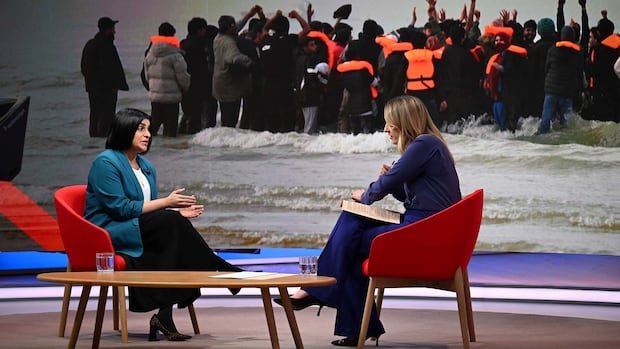
In an interview with Sky News, Mahmood highlighted that the new measures would extend the pathway to permanent settlement to 20 years, with refugee status evaluations every 2½ years to ensure alignment with the updated policy.
Further details of the changes, including adjustments related to Article 8 of the European Convention of Human Rights, are set to be disclosed by Mahmood on Monday. The government aims to remain part of the ECHR but intends to modify the interpretation of Article 8, which covers the right to family life, to address concerns regarding its application in immigration cases.
Despite the government’s tougher stance on immigration, it has faced backlash from over 100 British charities calling for an end to policies that fuel racism and violence, emphasizing the harmful impact of scapegoating migrants.
Statistics show a notable increase in asylum claims in the UK, with 109,343 individuals seeking asylum in the year ending March 2025, surpassing previous records. Mahmood emphasized the government’s commitment to establishing more safe and legal routes for asylum seekers to assist those fleeing perilous situations.
Emulating European Models
The Home Office’s reforms aim to align with and, in some aspects, surpass the standards set by Denmark and other European nations where refugee status is temporary, support is contingent on specific conditions, and integration into society is expected.
Under Denmark’s system, asylum seekers are granted temporary residence permits, typically lasting two years, requiring renewal upon expiration. The possibility of repatriation exists if their home country is considered safe, and the pathway to citizenship has been elongated under the revised policies.
Citing Denmark’s success in reducing asylum claims to a four-decade low and achieving a high rate of rejected applicant deportations, the Home Office has defended its adoption of more stringent immigration policies.
While Denmark’s approach has been met with criticism for creating a hostile environment for migrants and prolonging uncertainty for asylum seekers, Britain’s Refugee Council emphasized that refugees do not select asylum systems based on comparisons but rather seek safety in the UK due to familial connections, language familiarity, and existing support networks facilitating a fresh start.

