
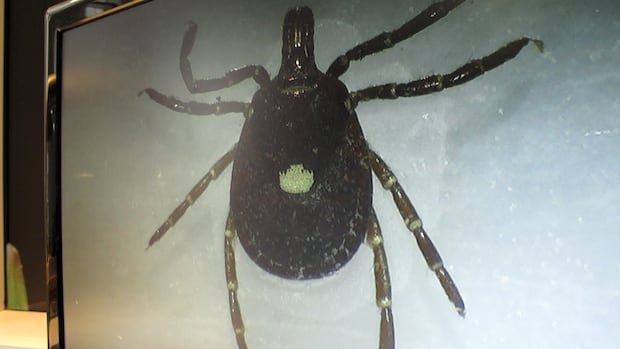
Researchers are warning Canadians to prepare for a gradual infiltration from the southern border as different types of ticks carrying harmful pathogens seek to establish themselves in Canada.
Canada currently hosts over 40 tick species, with the blacklegged tick, known for transmitting Lyme disease, being the most familiar. Lyme disease symptoms include fever, fatigue, and a distinctive “bull’s-eye” rash, potentially leading to severe joint, heart, and nervous system complications if untreated.
The newly opened Canadian Tick Research and Innovation Centre at Acadia University in Wolfville, N.S., overseen by associate professor Nicoletta Faraone, focuses on comprehending, preventing, and managing tick-related diseases.
Faraone emphasized the lack of a Lyme disease vaccine and the presence of multiple pathogens carried by ticks, indicating that a Lyme vaccine may not provide comprehensive protection.
Experts reveal that ticks carrying harmful pathogens are migrating from the northern U.S. at a pace of approximately 50 kilometers per year towards Canada. While some of these tick species have been observed, they have not yet established themselves in Nova Scotia.
One concerning species is the lone star tick, which can transmit a pathogen causing severe meat allergies in bitten individuals.
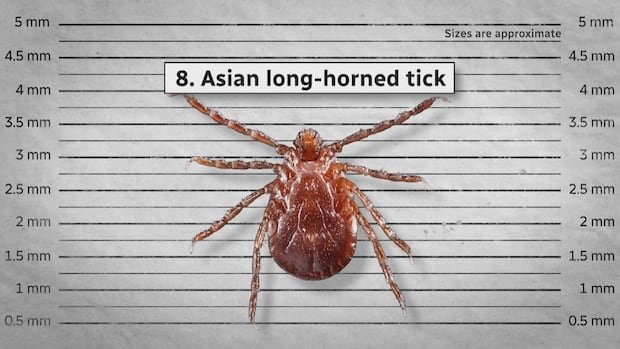
The lone star tick has already established a presence in Maine, where a resident, Patty O’Brien-Carrier, developed a severe meat allergy and experienced anaphylactic shock after being bitten.
O’Brien-Carrier described the symptoms as intense itchiness, hives, and difficulty breathing leading to a life-threatening situation if not promptly addressed. She emphasized the importance of educating the public about ticks.
The Canadian Tick Research and Innovation Centre plans to study the lone star tick and other species by bringing them into a secure facility for research. Currently, they are feeding American dog ticks blood through a device that simulates human skin.
Tick reproduction requires blood, and researchers achieved a breakthrough last month by successfully raising one to maturity, resulting in offspring — a significant accomplishment for the facility.
Faraone highlighted that such research is crucial for enhancing understanding of ticks and developing effective strategies to combat them.
“By studying ticks, their behavior, and the pathogens they carry, we can better prepare

