
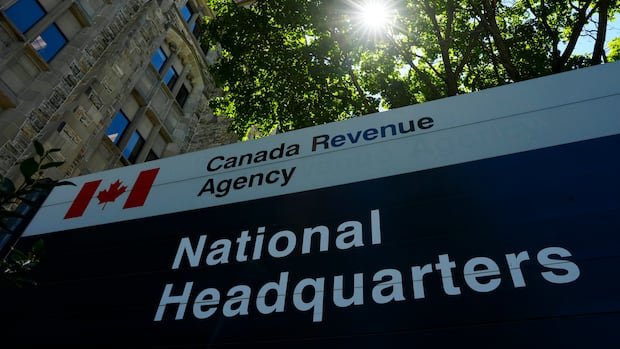
The Canadian government’s recent enhancement of the GST rebate, announced earlier this year, is scheduled to start appearing in the bank accounts of certain Canadians beginning this Friday. Those who qualified for the quarterly rebate aimed at low- to middle-income Canadians in January can anticipate receiving the top-up as confirmed by the federal government.
This top-up will add an extra 50 percent on top of the total annual amount received from the GST credit between July 2025 and June 2026. For instance, if the total GST/HST credit amount for that period was $400, the one-time top-up payment will amount to $200 according to the federal government.
To be eligible for this one-time payment, one must be a Canadian resident for tax purposes and at least 19 years old, having also filed their 2024 tax return, which is the basis for this year’s quarterly rebates. The income threshold for the GST rebate varies annually and is influenced by marital/common law status and the presence of children.
For the 2024 tax year, the maximum adjusted net income for a single individual without children is $56,181 or less. The income limit for married or common-law couples ranges from $59,481 for childless couples up to $74,201 for those with four children. It is estimated that over 12 million Canadians benefit from the GST rebate.
Individuals with direct deposit set up can expect to see the top-up payment in their accounts starting on June 5. For those without direct deposit, a check will be sent by mail, as stated by the Canada Revenue Agency.
The top-up is part of the transition to the federal government’s Canada Groceries and Essentials Benefit, which aims to replace the GST credit while increasing support for families and individuals over the next five years. Starting in July, the quarterly rebate will see a 25 percent increase for the subsequent five years.
As the country faces economic challenges with recent data indicating a technical recession, the increased payments aim to assist Canadians amidst a tough job market and rising living costs. Statistics Canada reported a 0.1 percent decline in real GDP in the first quarter, meeting the criteria for a technical recession, while Canada’s unemployment rate rose to 6.9 percent in April, and the inflation rate reached 2.8 percent fueled by escalating gasoline prices.

