
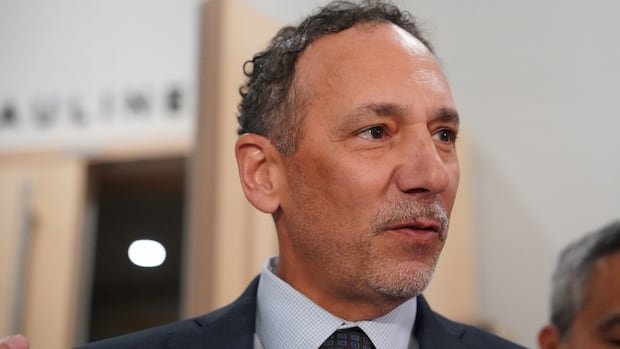
Quebec’s medical specialists and family doctors federations are set to challenge Premier François Legault’s recent bill in court. The legislation, which was passed early Saturday with a vote of 63 to 27, aims to alter doctors’ compensation structures and put an end to their pressure tactics. Dr. Vincent Oliva, president of the Fédération des médecins spécialistes du Québec (FMSQ), has initiated legal proceedings, criticizing the bill’s legal aspects as “ridiculous and questionable.”
Following suit, the Fédération des médecins omnipracticiens du Québec (FMOQ) also announced its intention to challenge the bill. Bill 2, known as an Act mainly focusing on improving access to medical services and ensuring service continuity, aligns closely with the previously tabled Bill 106. The legislation includes tying physicians’ pay to performance indicators to encourage them to handle more patients. This move comes after the province’s fourth offer was made due to stalled negotiations and pressure tactics by doctors who have been without a contract since 2023.
Health Minister Christian Dubé defended the bill, stating that the government had to act decisively to ensure Quebecers receive proper care. The Coalition Avenir Québec (CAQ) government emphasizes the bill’s focus on addressing the critical issue of 1.5 million Quebecers lacking a family doctor, including 200,000 vulnerable patients. The proposed legislation mandates assigning every eligible Quebecer to a family medicine group or equivalent.
Under the bill, 15% of doctors’ annual salaries will be performance-based, with additional monetary incentives for meeting specific goals related to enhancing medical services access and quality. The legislation also targets ending pressure tactics by physicians and their representatives, imposing penalties for actions like refraining from training future doctors.
Dr. Marc-André Amyot, president of the FMOQ, criticized the bill, foreseeing negative impacts on service accessibility and doctor motivation. He highlighted the shortage of 2,000 family doctors in Quebec and expressed concern about the bill’s implications for doctors’ remuneration. Amyot suggested that arbitration could still be an option if Legault were open to it, emphasizing that patients would bear the consequences in the current situation.
The Régie de l’assurance maladie du Québec (RAMQ) will oversee the mechanism for assigning eligible patients to health facilities or family doctors based on vulnerability levels. The new remuneration model will offer fixed amounts to doctors based on the number and complexity of patients treated, with additional payments for services rendered. Penalties will be enforced on doctors leaving Quebec’s public network, including fines and practice years loss for re-entry.
The bill has raised concerns among doctors like Dr. Benoît Heppell, who anticipates challenges in accommodating additional patients and appointment slots, potentially compromising service quality. Opposition parties have criticized Legault’s approach, with Québec Solidaire and Quebec Liberal Leader Pablo Rodriguez expressing reservations about the bill’s impact on the healthcare system and doctor-patient relationships.

