
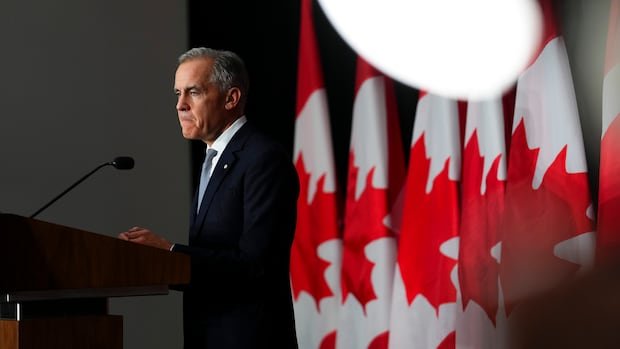
After Mark Carney’s half-hour speech at the University of Ottawa, Conservative leader Pierre Poilievre criticized it, dubbing it the “sacrifice speech.” Poilievre claimed Carney was calling for sacrifices from young Canadians, despite Carney’s remarks being more general in nature.
Carney emphasized the need to balance the budget in three years by cutting wasteful spending and improving efficiency. He acknowledged that tough decisions lay ahead, hinting at sacrifices to be made to enhance Canada’s future.
The mention of sacrifices signals that Canadians will face difficult choices in navigating a changing landscape. Carney’s use of the term “sacrifice” drew attention, as political leaders rarely employ such language outside of critical moments.
Carney’s speech echoed past instances where sacrifice was invoked during economic crises. The upcoming budget is expected to reveal significant spending cuts as the government aims to invest in key areas without exacerbating the debt burden.
Critics like Poilievre may focus on deficit size, but the need for sacrifices raises questions about how the burden will be distributed fairly. The budget will likely spark debates on the necessity and impact of these sacrifices, presenting alternatives for consideration.
Carney’s call for transparency in addressing challenges and making tough choices reflects the gravity of the situation. As Canadians brace for potential sacrifices, a thoughtful dialogue on the path forward becomes crucial.

