
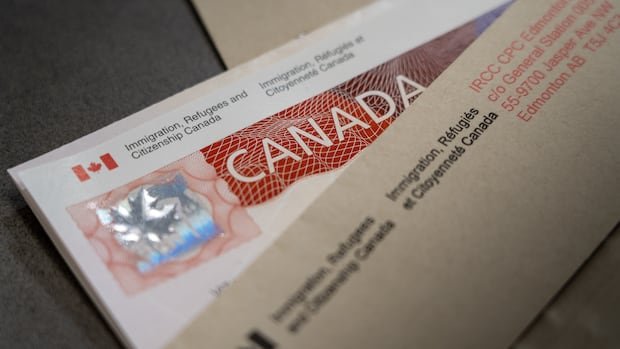
Canada’s population experienced a decline of approximately 55,000 individuals in the initial quarter of this year, as per recent data released by Statistics Canada. The estimated population count as of April 1 stood at 41,417,056. This 0.1% decrease can be attributed to a reduction in both immigration rates and birth numbers compared to deaths.
In the first quarter of 2026, there was a notable decrease in the number of permanent immigrants entering Canada, dropping from 104,210 in 2025 to 83,149. Additionally, the count of non-permanent residents declined by over 117,000 individuals, although Statistics Canada noted that these figures might be subject to updates due to evolving international migration policies.
The data also revealed that there were 155 more deaths than births in Canada during the first quarter, leading to a negative “natural increase” in the population. These demographic shifts have had implications on the economy, with recent indicators suggesting a struggle in Canada’s economic performance.
Economists have pointed out that the diminishing population size has impacted economic metrics such as the gross domestic product (GDP). The decrease in immigrants has led to a smaller economic pie, although on a per-person basis, individuals may receive a larger share of this pie.
Experts caution that simply increasing immigration levels may not be the sole solution for future economic growth. They emphasize the need for collective contributions to expand the economic pie further. The decline in foreign student numbers has also played a role in affecting the economy, as these students often held low-wage jobs that did not significantly contribute to the GDP.
While Alberta continues to exhibit population growth, provinces like Ontario and British Columbia experienced more significant declines in temporary residents compared to permanent immigrants. Alberta, in particular, saw an increase in population due to interprovincial migration and a surplus of births over deaths.
The shift in temporary workers and students has influenced the population dynamics of various provinces, with B.C. and Ontario witnessing a decrease in permanent immigrants while observing a departure of temporary foreign workers and students.
Overall, these population trends and their economic impacts highlight the complexity of sustaining growth, necessitating a holistic approach beyond just immigration adjustments.

