
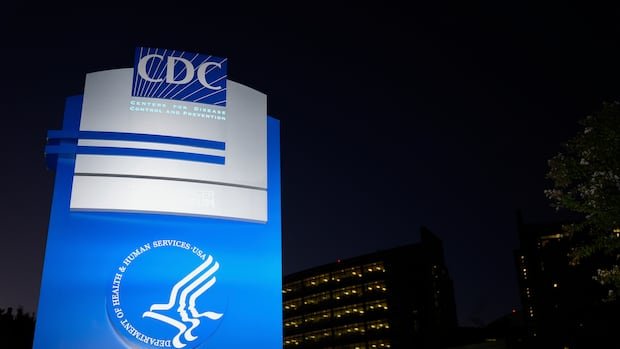
A recent modification to a U.S. Centers for Disease Control and Prevention (CDC) website has sparked controversy by contradicting the longstanding scientific consensus that vaccines do not cause autism. The CDC’s “vaccine safety” webpage was altered, stating that the claim “Vaccines do not cause autism” lacks evidence-based support.
This adjustment is part of a series of actions by the U.S. Department of Health and Human Services that seek to reexamine and create uncertainty around established scientific beliefs regarding the safety of vaccines and pharmaceutical products. The move has drawn criticism from scientists and advocates dedicated to understanding the origins of autism.
The Autism Science Foundation expressed dismay over the altered CDC webpage, which they claim now contains anti-vaccine sentiments and false information about vaccines and autism. Despite widespread scientific agreement and numerous studies confirming no connection between vaccines and autism, the CDC’s recent stance has raised concerns.
Dr. Susan Kressly, President of the American Academy of Pediatrics, emphasized the unequivocal conclusion that vaccines are safe and effective, urging the CDC to cease promoting misinformation that undermines the importance of routine immunizations for children’s health.
While the CDC previously aligned with the absence of a link between vaccines and autism in endorsing FDA-approved vaccines, the recent change has caught many CDC officials off guard. The alteration has raised questions about the involvement of key figures like Robert F. Kennedy Jr., who has advocated against vaccines and now holds a position in the Health and Human Services department.
The revised CDC page does not present any new research but rather argues that existing studies supporting a link have been disregarded by health authorities. In response to the backlash, HHS spokesperson Andrew Nixon highlighted ongoing efforts to assess the causes of autism and update the CDC’s website with scientifically sound information.
Former CDC officials have expressed doubts about the credibility of the organization’s statements on various topics, including vaccine safety. Dr. Daniel Jernigan, who resigned from the CDC, criticized the shift towards decision-based evidence making by figures like Kennedy, questioning the integrity of the decision-making process.
The controversy surrounding the CDC’s revised stance on vaccines and autism has reignited debates within the scientific and medical communities, with concerns raised about the dissemination of accurate health information to the public.

