
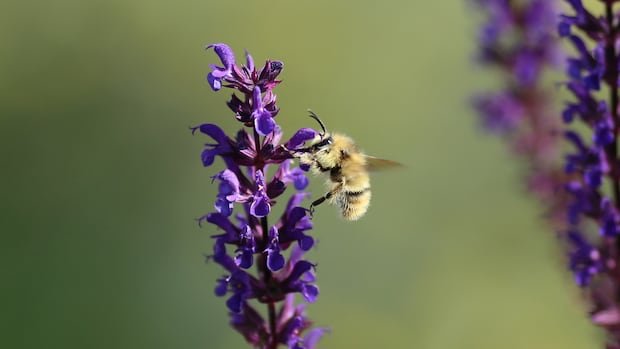
In a summer setting at a picnic table, encountering insects triggers reflex reactions of swatting and recoiling. According to ecologist Michelle Tseng, our interaction with bugs is often driven by fear, economic concerns, and health worries. Tseng emphasizes the need to shift our perspective on insects as we head into the summer season, highlighting their crucial role in the environment.
Zoologist Jo Wimpenny notes that children initially display curiosity towards insects but gradually develop fear influenced by adults and media narratives. Wimpenny underscores the oversimplification of categorizing insects as either good or bad, stressing the need to recognize their diverse contributions to ecosystems.
Highlighting the importance of understanding insect behavior, Wimpenny emphasizes the varied roles insects play beyond being perceived as pests. For instance, wasps serve as pollinators, aid in wine production, and act as natural predators for crop-damaging pests. Grant Minkhorst’s gardening practices showcase how companion planting can restore natural balances by attracting beneficial insects like ladybugs and birds.
While addressing challenges like invasive species control, Tseng acknowledges the complexities of balancing environmental preservation and economic interests. She points out the impacts of human activities like herbicide use on insect populations and stresses the need for responsible practices to maintain ecosystem health.
Encouraging a shift towards a more harmonious relationship with insects, Tseng draws parallels to Indigenous perspectives on nature stewardship and reciprocity. Embracing a mindset of mutual care between humans and nature, Tseng advocates for reframing traditional narratives that depict insects as adversaries.
In fostering a new narrative around insects, Wimpenny suggests creating stories that portray insects in a positive light, promoting coexistence and understanding. Encouraging mindfulness and curiosity towards insects encountered outdoors, Wimpenny advocates for pausing to observe and appreciate these often misunderstood creatures.
As we navigate our interactions with insects, the insights from Tseng and Wimpenny offer valuable perspectives on fostering respect, understanding, and coexistence with the diverse insect world that surrounds us.

