
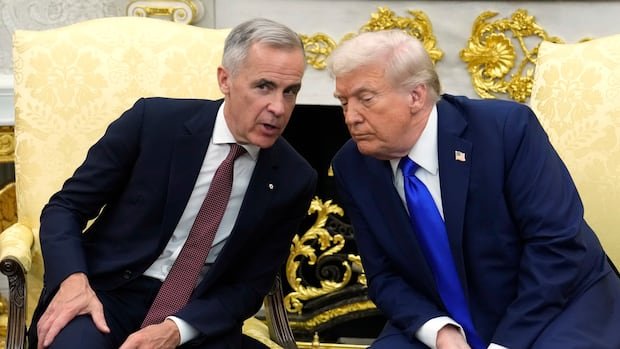
The recent imposition of 50 per cent tariffs on numerous Canadian products by U.S. President Donald Trump may seem sudden, yet it aligns with the ongoing push for substantial changes to the Canada-U.S.-Mexico Agreement (CUSMA). The U.S. administration aims to solidify Canadian trade concessions within the agreement’s text, thereby reducing Canada’s negotiating power. This move follows the ban on U.S. alcohol products by eight Canadian provinces, which the White House cited as a trigger for the new tariffs.
Despite the significant impact of these tariffs, the escalation was anticipated by experts familiar with Canada-U.S. relations. Brian Clow, a former advisor to Justin Trudeau, emphasized the need for a calm and calculated response from the Canadian government to avoid hasty decisions.
CBC’s Katie Simpson breaks down the key details of U.S. President Donald Trump’s move to impose 50 per cent tariffs on a wide range of Canadian products, over what the White House calls discriminatory trade policies.
Government should ‘react calmly’
The announcement of the new tariffs by Trump allows a window until Aug. 19 for potential negotiation, hinting at a possible escape from the tariffs for Canada if concessions are made within the timeframe. Clow advises the government to use this time wisely and approach the situation with a composed demeanor.
The impact of the Canadian provinces’ alcohol boycott on the U.S. industry has been evident, with notable drops in exports of wine and spirits. However, this boycott, along with other trade barriers, formed only part of the rationale behind the new tariff threat, as stated by U.S. trade representative Jamieson Greer.
The proposed tariffs would affect nearly $20 billion worth of Canadian goods, constituting approximately five per cent of Canada’s 202

