
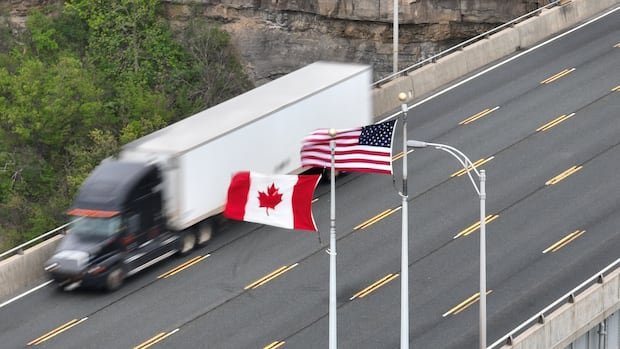
Joey Walsh, a vendor of hockey sticks, expresses frustration over the recent wave of U.S. tariffs. His company, HockeyStickMan, heavily relies on U.S. customers, but the elimination of the de minimis exemption and fluctuating tariff rates have disrupted business consistency. Walsh claims to have incurred additional expenses amounting to $2 million and anticipates reimbursement from the U.S. government following the annulment of prior tariffs by the Supreme Court during the Trump administration.
Despite previous attempts to mitigate the impact by shipping products before tariff implementation, Walsh remains unyielding in response to the latest 50 percent tariffs imposed on various Canadian exports, including hockey sticks. He criticizes the suddenness of these actions, labeling them as politically driven and unsustainable.
While some business owners like Walsh maintain composure in the face of the escalated tariffs, others fear the repercussions, viewing them as potentially catastrophic unless a resolution with the U.S. is swiftly achieved.
The Trump administration’s decision to impose 50 percent tariffs on Canada starting August 19 stems from allegations of discriminatory practices against American dairy, alcohol, and automotive sectors. The new tariffs not only target dairy and alcohol products as a retaliatory measure but also extend to a diverse array of items such as honey, doorknobs, and dog leashes.
An insider from the Canadian government estimates that the affected goods represent approximately $28 billion, constituting around five percent of Canada’s trade with the U.S. This development is likely to elevate the effective tariff rate marginally, impacting specific industries more severely than the broader economy according to Benjamin Tal, Deputy Chief Economist at CIBC.
Tal underscores the potential market exclusion resulting from a 50 percent tariff rate, making U.S. exports economically unviable for some businesses. The ongoing tariff conflicts, coupled with existing duties like the 50 percent steel and aluminum tariffs in effect since the previous year, have already inflicted significant hardships on various industries.
Richard Martin, CEO of Dynamo Playgrounds, laments the steep costs imposed by the steel and aluminum tariffs, which have led to reduced sales and layoffs. He anticipates further challenges from the new tariffs, particularly on plastics, which are integral to their products.
The prospect of exploring alternative markets is daunting for Martin, given the complexities of adapting to different regulations and consumer preferences. Despite these obstacles, he remains optimistic about finding solutions and hopes for a favorable trade agreement to alleviate the strain on his business.
As stakeholders navigate the uncertain terrain of escalating tariffs, optimism lingers that the recent measures could serve as negotiation tactics rather than permanent barriers. Observers suggest that these actions may prompt renewed trade discussions, offering a glimmer of hope for affected businesses eager for stability and resolution in the trade landscape.

