
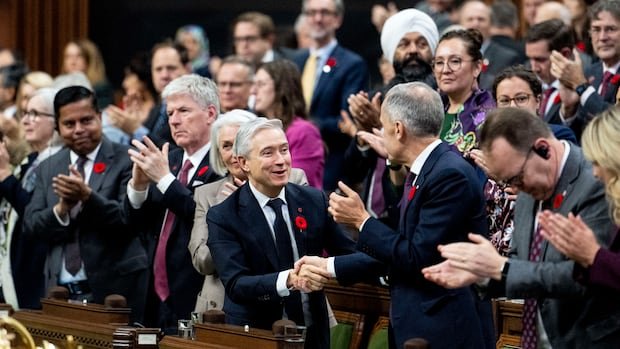
In a recent parliamentary session, the Conservative Party put forward a sub-amendment that aimed to trigger a new election but was ultimately defeated by the Liberals, Bloc Québécois, and NDP. The sub-amendment was in response to a Bloc Québécois proposal to reject the budget, with a vote on the Bloc amendment scheduled for the following day.
According to a spokesperson for Liberal House leader Steven MacKinnon, both votes were considered matters of confidence by the government. Losing a confidence vote typically results in a federal election. Despite the potential risk, the interim NDP Leader Don Davies confirmed that all seven New Democrat MPs would oppose the Conservative sub-amendment.
The outcome of Thursday’s vote does not guarantee support for the budget itself from all Bloc or NDP MPs, as the final budget vote is expected later in the month. Bloc Leader Yves-François Blanchet introduced the initial amendment to reject the budget, citing insufficient alignment with his party’s demands. In response, the Conservative sub-amendment proposed condemning the budget for not meeting Conservative expectations, which was rejected by the Bloc.
The Liberal government presented the budget earlier in the week, outlining significant new spending to address economic challenges caused by U.S. tariffs, alongside proposed cuts to the public service to generate savings. A procedural oversight by Conservative Leader Pierre Poilievre allowed Blanchet to propose the main budget amendment after Poilievre failed to do so in his speech to the House of Commons.
While Poilievre’s misstep may not impact the overall fate of the budget or the government, the parliamentary maneuvers reflect the ongoing political dynamics surrounding budgetary decisions and confidence votes.

