
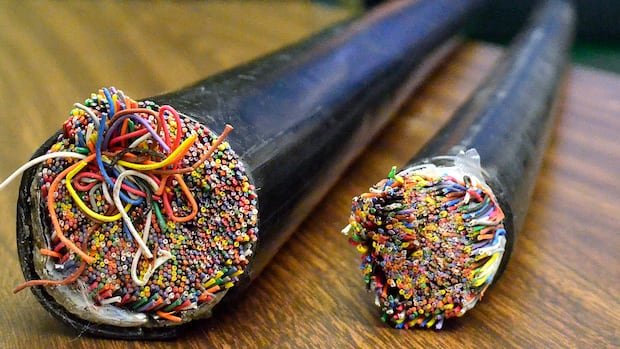
Bell has reported a significant increase in incidents of copper wire thefts within its telecommunications infrastructure in 2026, leading to potential disruptions in phone and internet services. The company documented 993 cases of copper theft and vandalism between January and June, marking a 78 percent surge compared to the same period last year.
The majority of these thefts occurred in Ontario and New Brunswick, with these provinces accounting for approximately 85 percent of the overall increase. In Ontario, Hamilton, Niagara, and Milton experienced the highest number of thefts, while New Brunswick saw a notable 235 percent rise in thefts from the previous year.
According to David Joice, Bell’s director of national network operations, thieves typically target copper wire on telephone and telecommunication poles, often operating under the cover of night or in rural areas with limited surveillance. The demand for copper remains high due to its increased value in a world that continues to electrify, driven by developments such as data center expansions and the production of electric vehicles.
Gary Dvorkin, the owner of Peel Scrap Metal in Oakville, Ontario, highlighted the imbalance between the demand for copper and its mining output, resulting in elevated metal prices. He mentioned a steady increase in the volume of copper processed by his business, reflecting the ongoing trend of higher copper prices attracting more sellers.
Despite the financial incentive for thieves, Bell emphasized that the value of the stolen metal pales in comparison to the disruptions caused by these thefts. Service outages resulting from wire thefts can lead to significant disruptions in phone, internet, and TV services, potentially jeopardizing access to emergency services and public safety.
To combat these thefts, Bell has implemented various preventive measures, including enhanced alarm systems linked to law enforcement, increased ground surveillance, and legal action against suspected thieves. The company is also transitioning from copper wire to fiber-optic cables as part of its long-term strategy to mitigate theft risks.
Efforts to address copper theft involve collaboration among telecommunication providers, government agencies, law enforcement, recyclers, and communities to hold perpetrators accountable and safeguard critical networks. Recent legal reforms granting judges the authority to consider aggravating factors, such as infrastructure damage, when sentencing individuals involved in copper theft, aim to deter such criminal activities.

