
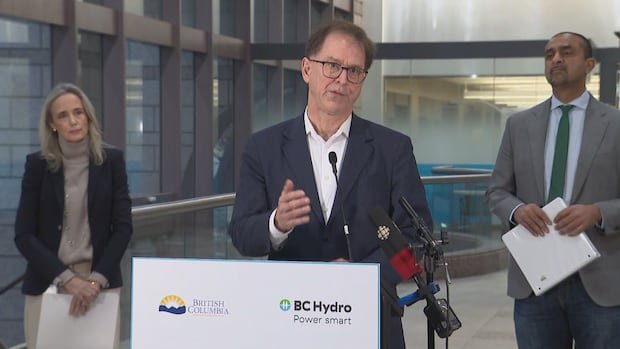
In British Columbia, data centers and artificial intelligence (AI) companies will now have to participate in a competitive bidding process to secure electricity from B.C. Hydro, as per new provincial legislation unveiled recently.
The initiative, launched on Friday, aims to help B.C. Hydro effectively manage the power grid, especially concerning rapidly expanding high-load sectors such as AI and data centers, according to Energy Minister Adrian Dix during a news conference.
B.C. Hydro’s president and CEO, Charlotte Mitha, emphasized the necessity for a structured process, highlighting that without such measures, the power utility could be overwhelmed by the power-intensive demands from AI and data centers.
Mitha expressed concerns that without a regulated approach, meeting every request promptly could potentially impact affordability and reliability for B.C. customers.
The initial set of projects will be vying for 400 megawatts of electricity over a two-year period.
Minister Dix indicated that this allocation was substantial, equivalent to about 35% of the power generated by the Site C dam, emphasizing that a first-come, first-serve system would lead to chaos and deter investment without proper planning.
The selection process for bids will consider various factors, including data sovereignty, environmental impacts, involvement of First Nations, and pricing, to ensure that electricity is channeled towards industries that offer maximal benefits.
Dix highlighted that Canadian companies are likely to have an advantage in this process.
Concerns have been raised by some Canadians regarding the potential strain data centers place on water resources due to their cooling requirements.
The Ministry of Energy in B.C. stated that projects promoting heat recovery, water efficiency, and other energy-saving practices would be favored in the competitive process.
Meanwhile, traditional sectors like mining, LNG, forestry, and manufacturing will continue under existing protocols and will not need to participate in the bidding process, as per Dix.
Projects that are already well-progressed will be grandfathered in under the previous regulations, Dix added.
Resistance from Conservatives
The B.C. Conservative Party criticized the government’s move, accusing them of ‘rationing’ electricity and favoring specific industries through the selection process.
David Williams, the party’s B.C. Hydro and electric self-sufficiency critic, stated that the root issue lies in the insufficient firm and affordable power to meet the escalating demand in British Columbia.
The Conservatives argued that the current power generation and transmission infrastructure was inadequate to meet the rising demands from sectors like AI.
They warned that restricting electricity access could lead to delays or cancellations in data center construction, impose higher rates on approved projects, and increase risks for ratepayers due to scarcity overshadowing long-term planning.
The deadline for bid submissions is March 18, with decisions expected to be reached by early fall.

