
Consumers remain apprehensive about elevated prices and economic instability stemming from the U.S. trade dispute, despite some positive signals, as per a recent Bank of Canada study. Participants in the central bank’s latest Survey of Consumer Expectations expressed concerns about potential difficulties in meeting debt obligations and heightened job insecurity. They anticipate persistent inflation in the short term, citing tariffs as a key contributing factor.
These worries have influenced their spending intentions, with respondents citing high costs, economic uncertainties, and increased housing expenses as hurdles to expenditure. More respondents reported a deterioration in their financial circumstances compared to the previous quarter.
While there were some optimistic outlooks, including improved job prospects and a more favorable long-term inflation forecast, overall consumer expectations declined in the fourth quarter. These expectations are still notably below pre-pandemic levels and have decreased relative to the period before the initiation of the trade dispute with the U.S.
According to Claire Fan, a senior economist at RBC, the divergence between perceived sentiment data and actual economic indicators has widened over the past year. Respondents to the survey believe that the worst impacts of the trade conflict have passed, with nearly half suggesting that Canada has managed to avert the most severe consequences.
Despite the situation having improved on a macro level, uncertainties persist regarding Canada’s future trade relations with the U.S., including the status of tariffs under the IEEPA and the fate of the Canada-U.S.-Mexico trade agreement (CUSMA).
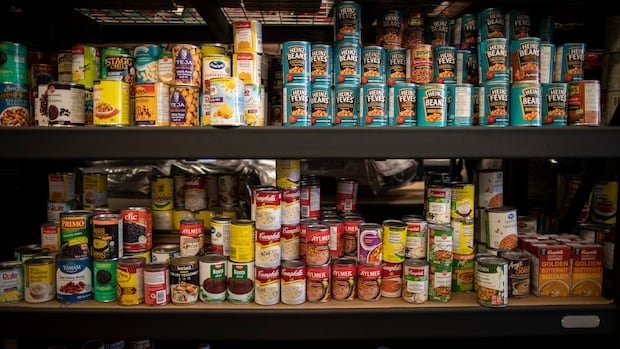
In terms of consumer experiences, rising living costs have been particularly challenging, with individuals like Brad Berg from Calgary expressing concerns about escalating prices. Food and shelter expenses continue to be significant factors affecting the cost of living, with grocery inflation surging to 3.5% in 2025, according to a recent StatsCan report.
Given the psychological impact of price increases, especially in regular expenses like groceries, consumers are more likely to feel the effects acutely. This may explain the prevailing negative sentiment among consumers, particularly affecting lower-income households.
Both Mike von Massow, a food economist, and Claire Fan highlighted the potential hardships posed by escalating costs, emphasizing the impact on vulnerable households.

