
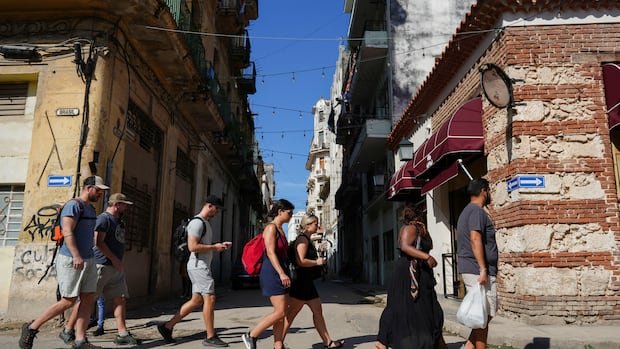
Cuba’s tourism industry, known as an “economic locomotive,” has long been vital to the country’s economy. However, a decline in the sector since 2018, coupled with the U.S. government’s restrictions on Cuba’s oil supply, has severely impacted the industry. The Trump administration’s threat to impose tariffs on fuel suppliers to Cuba, following the collapse of Venezuela, has led to the suspension of flights by Canadian, Russian, and European airlines, and the closure of resorts, reducing international visitors.
With a significant drop in visitor numbers from 4.7 million in 2018 to 2.2 million in 2024, Cuba’s economy faces a grave situation. Experts warn that the country is now experiencing its most severe economic crisis since the aftermath of the 1962 Missile Crisis, and the potential collapse of the tourism industry could be catastrophic for the economy.
Historically, Cuba’s tourism sector underwent a transformation after the Cuban Revolution in 1959 and the collapse of the Soviet Union in the 1980s. The country shifted its focus to tourism, attracting visitors from various countries. However, the industry faced challenges when the U.S. imposed travel restrictions in 2019, followed by the impact of the COVID-19 pandemic and the conflict in Ukraine, affecting tourism from Russia.
The tourism sector, which once contributed significantly to Cuba’s GDP, has now dwindled, impacting the country’s overall economy. The reliance on tourism for foreign exchange and liquidity has left Cuba vulnerable, especially in the face of the current crisis. The mismanagement of the industry and lack of diversification in the economy have exacerbated the situation, leaving many Cubans disillusioned with the government’s approach.
As the country grapples with economic hardships and social unrest, the future of Cuba’s economy remains uncertain. The dwindling tourism industry, along with challenges in other strategic sectors, paints a bleak picture for the nation’s economic stability and the well-being of its citizens.

