
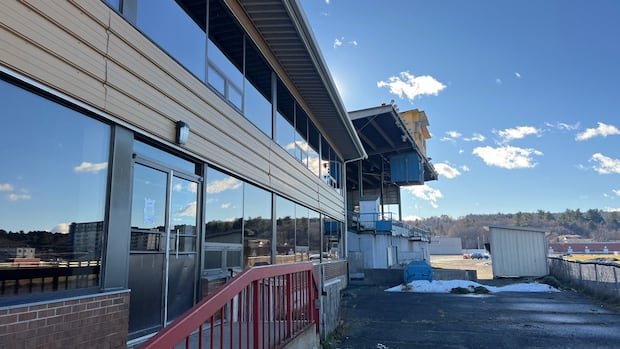
After receiving feedback from several residents, a Fredericton council committee unanimously approved a request to extend the operation of a temporary overnight homeless shelter for another winter season. The shelter, managed by Fredericton Shelters Inc., was established last summer at the former Winner’s Lounge building on the Exhibition Grounds under temporary zoning approval, which was due to expire in December.
Following the vote at the planning advisory committee on Wednesday night, the shelter has been granted an extension to operate until April 30, 2026. Warren Maddox, the executive director of Fredericton Homeless Shelters, emphasized the significance of the shelter for homeless individuals, providing them with a consistent and safe haven amidst life challenges.
Coun. Greg Ericson expressed support for the decision but noted concerns raised by residents in the surrounding neighborhoods regarding the shelter’s impact. Prior to the meeting, the community actively engaged with the topic, with the city receiving 27 letters backing the extension and 15 opposing it, along with petitions from both sides.
Despite some opposition from local businesses, including the Fredericton Intercultural Centre, Maddox highlighted that the shelter has assisted 285 individuals, including women, Indigenous people, veterans, and immigrants within the past year. Acknowledging the mixed feedback, Maddox emphasized the shelter’s role as a stabilizing force for those in need of support.
While city staff recommended accepting the extension, they stressed the importance of finding a more permanent location, especially given the city’s plan to develop the exhibition grounds. Maddox emphasized the shelter’s positive impact, noting that two individuals have transitioned to more stable housing through its assistance.
Nancy Murphy, a homelessness strategist with the province’s Social Development Department, and Rob Hartland, the security company operator working with the shelter, provided additional insights during the meeting. Murphy highlighted the shelter’s role in ensuring the safety and well-being of up to 33 individuals nightly, emphasizing their value in the community.
Residents expressing concerns cited issues such as drug use, mental health challenges, and safety risks in the neighborhood, while supporters emphasized the necessity of compassion towards the homeless population. Calls for collaborative efforts between the city and province to address safety concerns were echoed by both sides, emphasizing the importance of finding holistic solutions.
In a demonstration of solidarity, Frank Paul, a retired police officer from Sitansisk First Nation, emphasized the human aspect of homelessness, urging empathy and support for those in need during harsh weather conditions. The diverse perspectives shared during the meeting underscored the complex challenges and compassionate responses within the community.

