
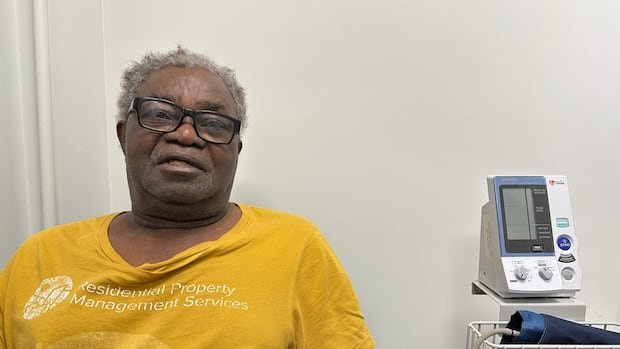
Cheryl Prescod, a health-care administrator for a decade, has observed firsthand how Black Canadians can feel marginalized by the one-size-fits-all approach of the national health-care system. As the executive director at the Black Creek Community Health Centre in Toronto’s Jane and Finch neighborhood, Prescod caters to a diverse client base, including a significant number of Black and racialized individuals who struggle to access health services that prioritize their safety and cultural sensitivity.
Black individuals are disproportionately affected by specific illnesses such as Type 2 diabetes, hypertension, and triple-negative breast cancer. To address this disparity, researchers from Ontario, Quebec, and Nova Scotia are commencing the genCARE project on February 1. This initiative aims to analyze the genomes of over 10,000 Black Canadians with these diseases, as well as individuals without underlying medical conditions. Funded by Genome Canada, the project leaders hope that the outcomes will guide targeted treatments and preventive care, leading to more equitable and anti-racist health outcomes.
Prescod emphasized the importance of including Black people in genetic studies, as less than five percent of such research globally incorporates data from this demographic. By leveraging research findings, Prescod aims to enhance the management of health conditions for her patients at Black Creek.
Dr. Upton Allen, the administrative lead of genCARE, envisions utilizing patients’ genetic makeup and other factors for precise diagnosis and treatment, known as precision medicine. Overcoming historical discrimination against Black individuals within medical institutions poses a challenge for researchers recruiting participants for the project, which requires thousands of volunteers.
Partnering with the Black Creek Community Health Centre during the COVID-19 pandemic, Dr. Allen engaged with individuals who expressed vaccine hesitancy due to systemic discrimination within the health-care system. Ivan Ho, a diabetes educator at the center, highlighted the misconceptions around health issues like diabetes, often wrongly attributed solely to lifestyle choices. Ho emphasized the influence of external factors like unstable housing and food insecurity on health outcomes, beyond individual lifestyle decisions.
Dr. Gavin Oudit, a cardiology professor at the University of Alberta, praised genCARE as a crucial initiative to enhance disease predictions, diagnosis, and treatment by considering the genetic diversity of patients. He noted the inadequacy of genomic databases in accurately representing racialized populations, leading to incomplete and deficient data.
To build trust and avoid perpetuating harm, researchers plan to anonymize participants’ DNA data securely stored in Canada. Prescod recalled collaborating with Dr. Allen during the pandemic, where community ambassadors facilitated outreach efforts in the neighborhood to promote health services and distribute information, fostering trust among residents.
Recruitment for the project will involve community health centers, doctors’ offices, and hospitals, with plans to include children in the next phase. While immediate benefits may not be apparent for participants, Prescod believes that the genCARE project’s potential solutions could positively impact future generations. She expressed regret that such initiatives did not happen sooner but emphasized that it is never too late to make a difference.

