
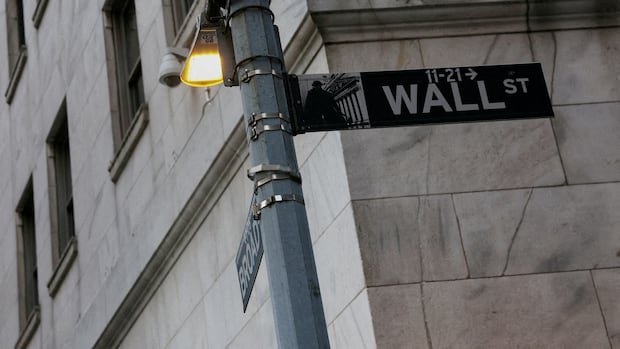
Global stocks experienced a sell-off on Tuesday, impacting Wall Street, with concerns over the escalating conflict with Iran. Despite significant losses initially, the S&P 500 managed to reduce its decline to 0.9% by the end of the trading day, following a drop of as much as 2.5% earlier. The Dow Jones Industrial Average was down 0.8%, while the Nasdaq composite trimmed its loss to 1%.
Oil prices surged amid fears surrounding the conflict with Iran. Brent crude briefly surpassed $84 per barrel before settling at $81.40, marking a 4.7% increase. Benchmark U.S. crude also rose by 4.7% to $74.56 per barrel.
The tensions were exacerbated as Iran targeted the U.S. Embassy in Saudi Arabia, raising concerns about critical oil and natural gas production areas. The closure of the Strait of Hormuz, through which a significant portion of global oil passes, heightened market uncertainties.
The duration of the conflict remains uncertain, with worries about its prolonged impact on markets. Thomas Hayes, chairman of Great Hill Capital, highlighted the unexpected variables affecting markets, including Iran’s attacks and the closure of the Strait of Hormuz, impacting energy prices and inflation.
President Trump suggested a prolonged conflict, emphasizing the U.S.’s military capabilities. The spike in oil prices is expected to increase inflation, burdening U.S. households and businesses with higher gasoline prices and shipping costs.
Stock markets, particularly companies reliant on petroleum-based fuels, suffered losses. Airline stocks plummeted, with concerns over escalating fuel expenses leading to flight cancellations and passenger disruptions. Oil-dependent economies like South Korea and Japan also experienced significant stock index declines.
On Wall Street, most stocks within the S&P 500 faced declines, with airline companies like American Airlines and United Airlines being notably affected. However, Target emerged as a winner, reporting better-than-expected profits.
Bond markets witnessed higher Treasury yields amid inflation concerns. The 10-year Treasury yield rose to 4.10%, signaling potential increased borrowing costs for households and businesses across various sectors.

