
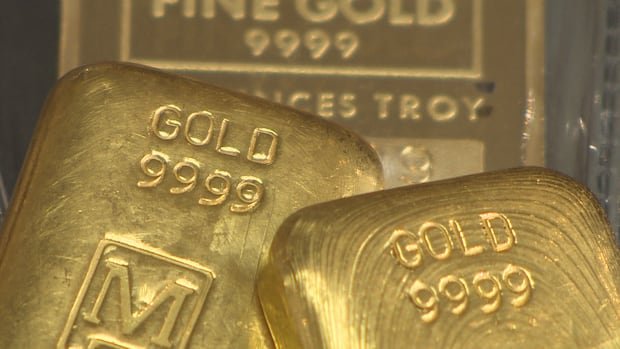
Gold surpassed the $5,000 mark per ounce for the first time on Monday, with silver also soaring to $110 per ounce, driven by various geopolitical tensions impacting the U.S. dollar. The demand for precious metals has been on the rise in recent months as investors look for secure investment options.
According to Daniela Hathorn, a senior market analyst at Capital.com, the uncertain factors such as fiscal dominance, geopolitical fragmentation, and central bank credibility are keeping precious metals at the forefront as both hedges and alternatives.
The U.S. dollar experienced a decline to its lowest level since mid-November following a significant rise in Japan’s yen. While the dollar had been strengthening against the yen in recent months, it took a sharp downturn after indications from officials in Japan and the U.S. about potential intervention to bolster the yen.
Although Japanese finance authorities did not confirm direct intervention plans, they acknowledged close coordination with the U.S. on currency fluctuations. This speculation around intervention led to a notable rebound in the yen’s value.
The yen has been under pressure since Sanae Takaichi assumed office as Japan’s prime minister in October. Takaichi’s proposed increase in spending and tax cuts ahead of an upcoming election has raised concerns about Japan’s financial stability, pushing government bond yields to record levels.
As the U.S. dollar weakened against major currencies, gold hit a new record high amidst heightened volatility in the market. Gold prices surged by 2.1% to $5,089 per ounce, while silver also saw a significant increase of almost seven percent to $110 per ounce.
Market analysts, like Chris Scicluna from Daiwa Capital Markets, highlighted the appeal of gold as a safe haven asset amid uncertainties in global currencies and the potential for U.S. involvement in currency markets.
Global stock markets faced mixed movements, with some declines noted in major indices like the CAC 40 in France and the Kospi in South Korea. Despite ongoing trade tensions and geopolitical uncertainties, investors are awaiting upcoming earnings reports from global companies to gauge the impact of recent tariff policies.
President Donald Trump’s recent threats of imposing tariffs on Canadian goods have also added to market concerns. While Trump had previously backed off from tariff threats against European allies, his renewed warnings towards Canada have stirred apprehension among investors.
In the energy sector, benchmark U.S. crude oil prices rose to $61.50 per barrel, while Brent crude, the international standard, edged up to $65.55 per barrel on Monday.

