
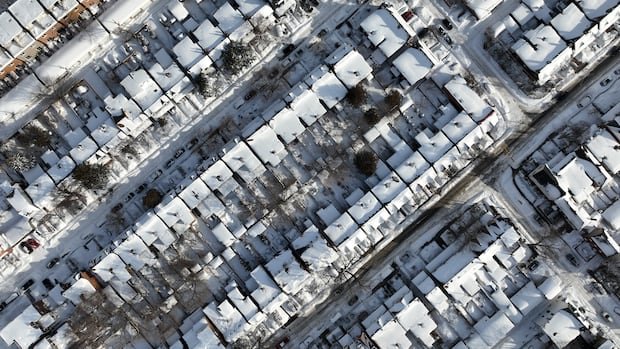
Radiation emissions from the ground, including the cancer-causing gas radon, are present in numerous homes across Canada, with approximately one in five residential buildings exhibiting high levels of radon. The fatality rate due to radon-induced lung cancer is estimated at 3,200 annually in the country, according to government statistics.
Despite its invisible and odorless nature, radon infiltrates homes nationwide, with modern construction practices and renovations potentially contributing to the increased exposure of Canadians to this hazardous gas.
Pawel Mekarski, the head of radon technical operations at Health Canada, pointed out that the quest for energy efficiency in homes often results in enhanced airtightness during renovations, inadvertently trapping radon indoors.
The newly revised national building code, recently unveiled in late December, mandates the incorporation of a passive radon stack in newly constructed residences. This feature acts as a vent to mitigate indoor radon accumulation, representing a significant step in addressing radon exposure risks.
While the national building code sets the groundwork for construction guidelines, its adoption by provinces and territories is crucial for widespread implementation.
Health Canada recommends conducting radon tests in homes to assess potential risks accurately. Testing can be facilitated by hiring a radon measurement professional or utilizing home test kits, which may be available for free in certain communities through local health units or libraries.
For reliable results, it is advised to conduct radon testing continuously for a minimum of 91 days, ideally spanning three to twelve months. Testing during colder months when properties are sealed can provide a more accurate representation of radon levels inside the home.
According to current standards, indoor radon levels exceeding 200 becquerels per cubic meter necessitate radon mitigation measures. The Take Action on Radon program offers a directory of certified radon professionals who can install mitigation systems, typically involving a ventilation pipe equipped with a fan to expel radon outdoors.
Although the financial burden of radon mitigation typically falls on homeowners, some regions offer support mechanisms such as Ontario’s home warranty program and Manitoba’s financing initiative to ease the costs.
Sarah Butson, CEO of the Canadian Lung Association, highlighted the financial constraints hindering many Canadians from addressing radon issues in their homes, emphasizing the necessity for additional support programs to bridge the affordability gap.
Dr. Kong Khoo, an oncologist at B.C. Cancer, emphasized the importance of radon mitigation as a fundamental measure to safeguard families against the risks of long-term exposure to elevated radon levels. Khoo’s personal encounter with radon-induced lung cancer underscores the critical role of mitigation systems in averting health hazards.
Khoo’s proactive approach to addressing radon concerns both through cancer treatment and home mitigation signifies the paramount significance of taking preventive measures to ensure household safety.

