
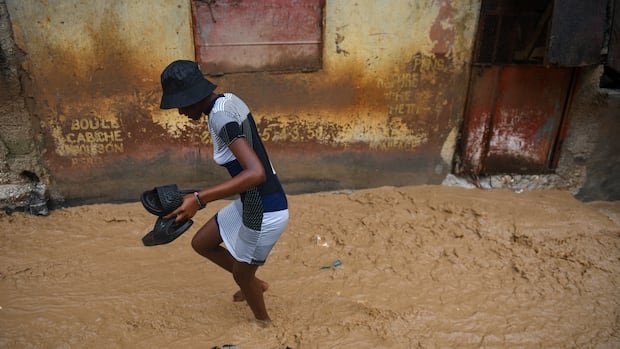
Hurricane Melissa wreaked havoc across Cuba, Jamaica, and Haiti, causing numerous fatalities and extensive damage. In Jamaica’s St. Elizabeth parish, landslides blocked roads, turning streets into muddy pits, while the high school serving as a shelter had part of its roof torn off by strong winds. Residents grappled with flooded homes and the loss of their belongings, with many expressing shock at the unprecedented destruction.
The aftermath of the powerful Category 5 hurricane remained grim, with reports of at least 25 deaths and 18 missing individuals in Haiti. The Civil Protection Agency in Haiti highlighted the dire situation, especially in a southern coastal town where flooding led to the collapse of numerous homes, leaving residents in urgent need of rescue.
In Cuba, authorities reported widespread destruction, including collapsed houses, blocked roads, and damaged roofs. The most severe impacts were concentrated in the southwest and northwest regions, prompting the evacuation of approximately 735,000 people to shelters. Residents described the harrowing experience, with one individual in Santiago de Cuba recounting a night of terror.
Melissa, which initially struck Cuba as a Category 3 hurricane, has since weakened to a Category 2 storm. As of Wednesday afternoon, the hurricane maintained sustained winds of 150 km/h and was heading northeast, situated southeast of the central Bahamas. Preparations were underway in the Bahamas to evacuate residents from the southeast corner of the archipelago ahead of Melissa’s arrival.
Meanwhile, the Canadian government issued travel advisories, cautioning against travel to several areas in the affected region, including Jamaica, specific provinces in Cuba, Haiti, and certain parts of the Bahamas, Turks and Caicos Islands, and Bermuda. Canadians requiring emergency assistance were urged to contact the Emergency Watch and Response Centre.
The devastation caused by Hurricane Melissa in Jamaica was profound, with fatalities reported, extensive power outages, and severe infrastructure damage. Recovery efforts faced challenges due to communication disruptions and the urgent need for aid in affected areas. Jamaican officials emphasized the long road to rebuilding and restoring normalcy, pledging full mobilization of resources to support affected communities.
In Cuba, the hurricane exacerbated the country’s existing economic crisis, with concerns over prolonged power outages, fuel shortages, and food scarcity. Residents in Santiago de Cuba began the arduous task of clearing debris and assessing the damage to their homes, highlighting the significant financial burden of rebuilding. Local hospitals also suffered severe damage, further straining the already stretched resources.
International assistance, including rescue and response teams from the United States, was being deployed to aid in the recovery efforts across the affected Caribbean nations. The U.S. government’s coordination with regional leadership aimed to provide essential support in the aftermath of the devastating hurricane. Additionally, recent policy changes, such as the reinstatement of economic embargoes and travel bans on Cuba, added complexity to the recovery process.

