
Hurricane Melissa underwent rapid intensification, becoming a potentially catastrophic storm in the Caribbean overnight, as per U.S. forecasters’ early Sunday warning. The U.S. National Hurricane Center indicated that Melissa achieved Category 4 status on the Saffir-Simpson wind scale, boasting maximum sustained winds of 220 km/h.
Forecasters based in Miami projected that Melissa would continue to strengthen throughout the day, with expectations of making landfall in Jamaica by Monday night or Tuesday morning. As of Saturday night, Melissa was progressing westward at a pace of seven km/h, positioned approximately 195 kilometers southeast of Kingston, Jamaica.
Jamaica is currently under a hurricane warning, while portions of Haiti’s southwestern peninsula and southeastern Cuba are under hurricane watches. The storm is anticipated to bring heavy rainfall, with up to 1,000 millimeters expected in Jamaica by Wednesday, according to the 5 a.m. ET update on Sunday.
Similar forecasts have been issued for southern regions of Haiti and the Dominican Republic, warning of life-threatening flooding and landslides due to potential catastrophic rainfalls. Eastern Cuba is also likely to be affected by Wednesday, with some areas expecting up to 30 centimeters of rain.
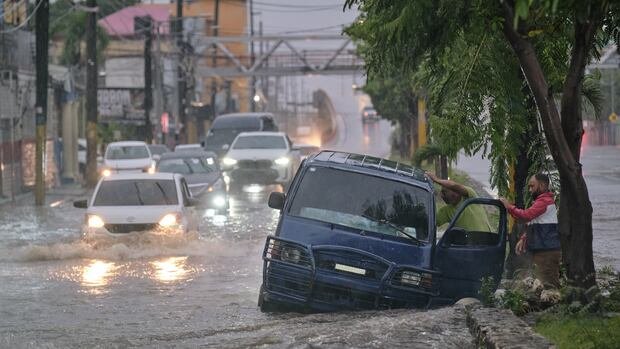
Hurricane Melissa, characterized by its erratic and slow movement, has tragically claimed the lives of at least three individuals in Haiti and one in the Dominican Republic, with one person still missing. The storm’s prolonged duration has heightened concerns, with forecasts predicting its slow progression for up to four days.
Authorities in Jamaica issued warnings on Saturday, indicating that all airports would close within 24 hours of a hurricane warning. Over 650 shelters have been activated, and precautionary measures, including stocked warehouses and food packages, have been implemented across the island.
The U.S. National Hurricane Center reiterated the severity of the situation, emphasizing the need for completion of preparations in Jamaica due to the prolonged damaging winds, heavy rainfall, and potential flash flooding, landslides, and infrastructure damage.
In Haiti, reports indicate three storm-related fatalities and five injuries, along with instances of rising river levels, flooding, and infrastructure damage. Despite relief efforts, some residents remain hesitant to evacuate their homes.
The Dominican Republic has reported damage to nearly 200 homes, disruptions to water supply systems affecting over half a million customers, as well as infrastructure damages from fallen trees, traffic lights, and landslides. Additionally, floodwaters have isolated more than two dozen communities.
The Bahamas Department of Meteorology has cautioned that Melissa could bring tropical storm or hurricane conditions to various islands in the Southeast and Central Bahamas and the Turks and Caicos Islands early next week.
Melissa marks the 13th named storm of the Atlantic hurricane season, which extends from June 1 to November 30. The U.S. National Oceanic and Atmospheric Administration had previously predicted an above-average season with 13 to 18 named storms.

