
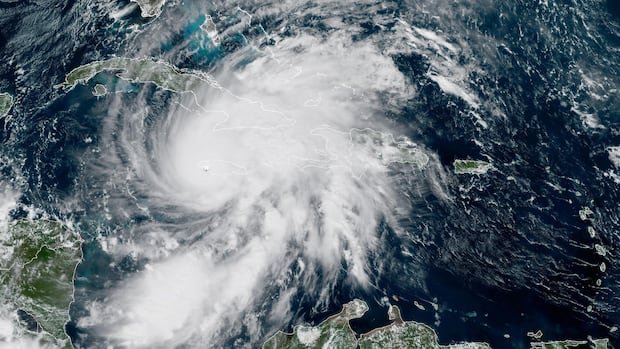
Millions of individuals throughout the Caribbean are grappling with the severe impact of Hurricane Melissa, which swept through the region recently. This storm, similar to many others in recent times, experienced rapid intensification, characterized by a surge in maximum sustained wind speeds by 51 km/h within 24 hours. Melissa notably intensified by 112 km/h during the same period, exemplifying what some describe as extreme rapid intensification.
The ongoing trend of burning fossil fuels and releasing CO2 into the atmosphere continues to contribute to global warming, leading to various alterations in weather patterns and the overall climate. Experts are increasingly delving into the correlation between climate change and extreme weather phenomena such as droughts, floods, and hurricanes. Organizations like ClimaMeter, comprising climate scientists worldwide, conducted a rapid attribution analysis of Hurricane Melissa. Their findings indicated the combined influence of climate change and natural variability in the storm’s formation and trajectory.
A key aspect of climate change’s impact on hurricanes lies in the warming of oceans. The rising temperatures, particularly in the Caribbean Sea, are substantially above average, with water temperatures acting as the energy source for hurricanes. The warmer the water, the more potent the hurricanes become. This phenomenon significantly contributes to rapid intensification, evident in the formation of hurricanes within the Atlantic Basin.
Moreover, an independent analysis by Imperial College London’s Grantham Institute using the Imperial College Storm Model (IRIS) revealed that climate change amplified Melissa’s wind speed by approximately seven percent, equivalent to 18 km/h. While attention often centers on the swift intensification of hurricanes, experts emphasize the criticality of monitoring these storms’ behavior as they approach land.
The study further highlighted that the likelihood of such intense hurricane events has increased significantly compared to pre-industrial times, with climate change making them four times more probable. The destructive potential of these hurricanes is exacerbated by climate change, making them more damaging than they would have been without its influence.
In essence, the collective message from various rapid attribution groups underscores the transformative impact of climate change on hurricanes. The continuous emission of fossil fuels into the atmosphere escalates ocean warming, fueling the destructive potential of hurricanes. As the world grapples with these escalating risks, the need for proactive measures to mitigate climate change’s effects on extreme weather events becomes increasingly imperative.

