
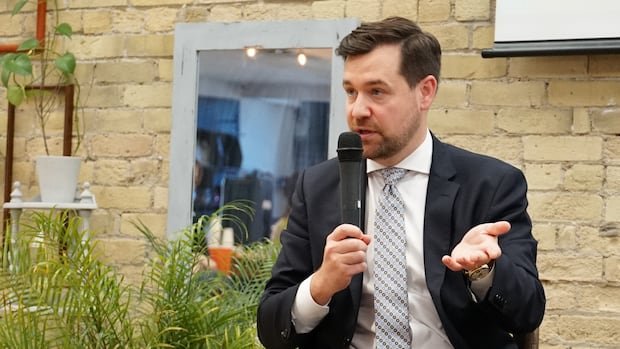
London is witnessing continuous growth and diversification, prompting local non-profit and community leaders to emphasize the importance of the health sector adapting to evolving needs. Representatives of various community organizations in London convened at Innovation Works for The Big Picture event, an annual gathering focused on addressing major challenges in the city of southwestern Ontario.
This year’s discussions at the event revolved around community health, inclusion, and belonging, highlighting the necessity of prioritizing these aspects to reduce health disparities in the region. Dr. Alex Summers, the medical officer of health at Middlesex-London Health Unit, stressed the interconnectedness of community health by stating, “The health of the healthiest is only as strong as the health of the least healthy among us.”
Dr. Summers further emphasized the importance of fostering a sense of connectedness, inclusion, and belonging within the community to achieve overall health and well-being for all residents, regardless of their socio-economic status.

The Big Picture event serves as a platform for non-profit and public health sector representatives to collaborate on addressing significant challenges in the London region. Dr. Alex Summers and Donavon Trice shared insights ahead of the event, shedding light on pertinent health issues.
Despite progress, the city still faces challenges in providing adequate support to vulnerable populations, including the unhoused, low-income individuals, and marginalized communities, as noted by Dr. Summers. Donavon Trice, the men’s sexual health outreach coordinator at the Regional HIV/AIDS Connection, emphasized the impact of exclusion on accessing healthcare, stating that connecting marginalized individuals with healthcare providers from similar backgrounds can enhance their sense of inclusion and comfort within the system.
Trice shared a personal experience of finally meeting a Black physician at the age of 35, highlighting the significance of feeling understood and supported in healthcare interactions. Paloma Terra, from the London & Middlesex Local Immigration Partnership’s health and well-being sub-council, echoed the need for creating “culturally safe” healthcare spaces to address the unique needs of immigrants and newcomers in London.
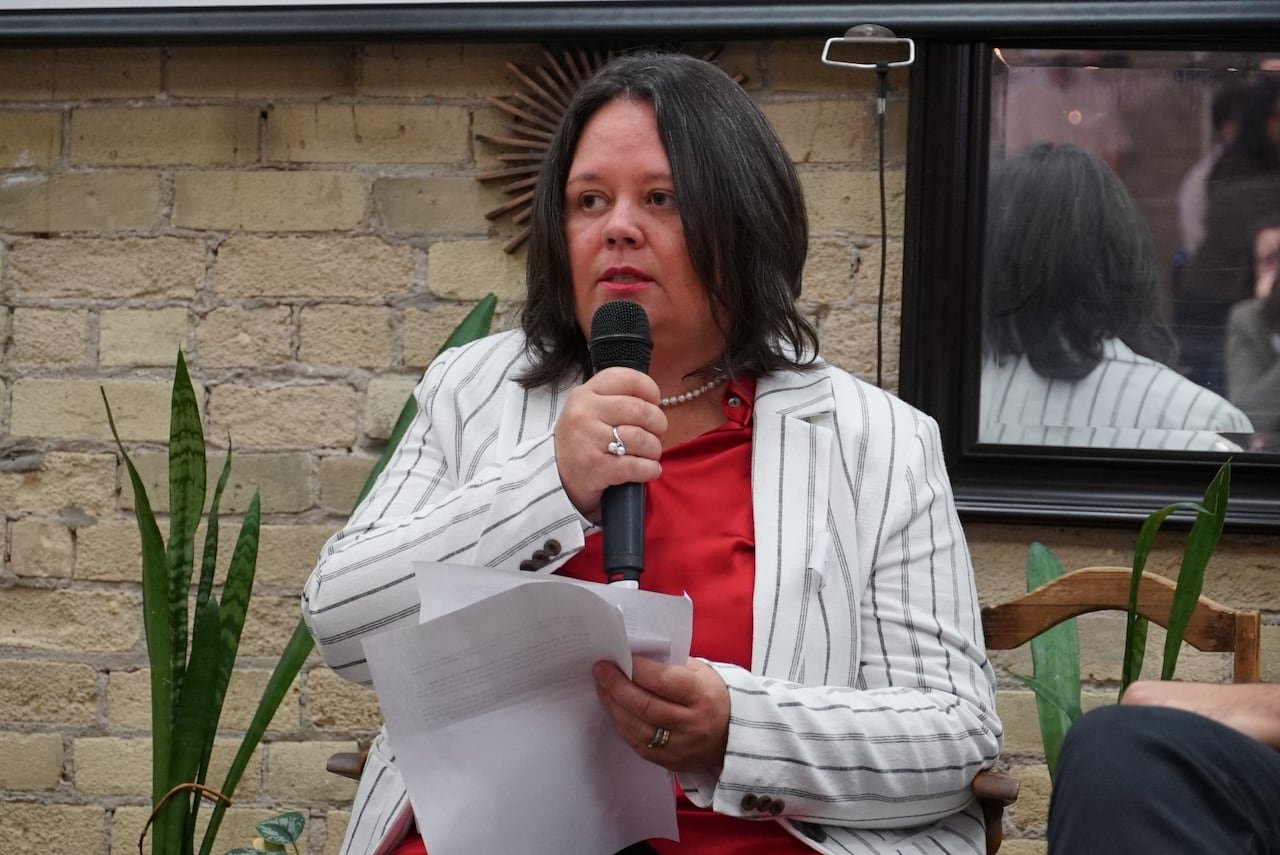
Terra emphasized the importance of creating spaces where individuals feel understood, safe, and supported, drawing attention to initiatives like the Indigenous healing space at London Health Sciences Centre as a model for providing culturally sensitive care.
She highlighted the potential for extending such culturally safe practices to BIPOC communities and different gender identities, underscoring the need for collaborative efforts between healthcare providers and community groups to establish more inclusive healthcare settings.
Prioritizing Health Promotion over Illness Response
Dr. Summers suggested that enhancing community health in London involves addressing root causes of illnesses proactively rather than reactively. He stressed the significance of focusing on issues such as food insecurity with the same urgency

