
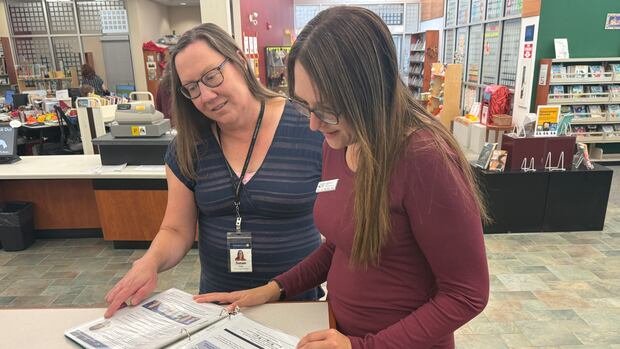
During her work shift, London librarian Katie Hill encountered an elderly visitor who appeared disoriented. The patron, who was later revealed to be living with dementia, had wandered away from home. Hill promptly contacted emergency services, ensuring the patron’s safety within the library premises while reaching out to the caregivers. Reflecting on the incident, Hill expressed the profound impact it had on her, emphasizing the importance of meeting the community’s specific needs.
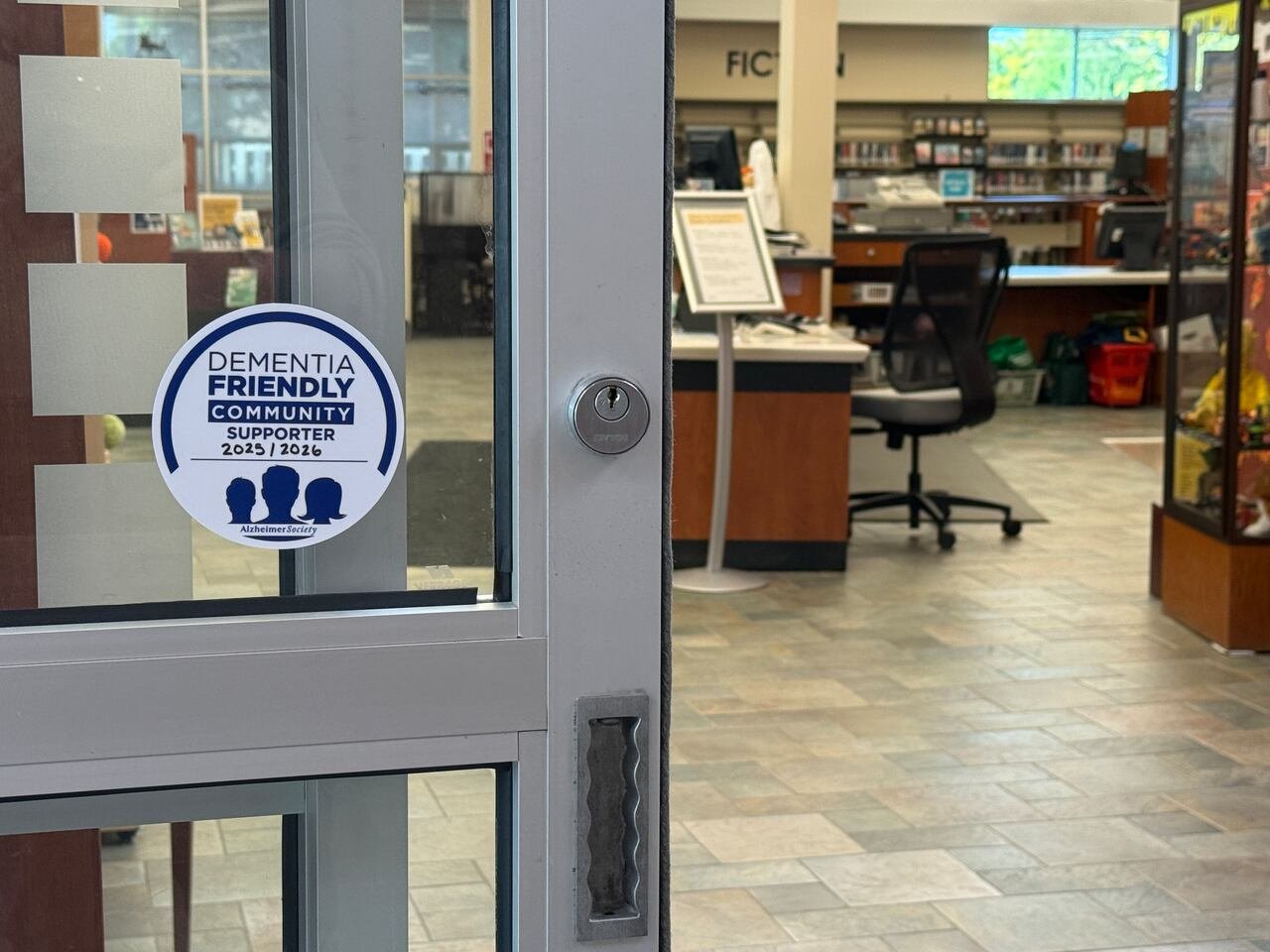
Collaborating with the Alzheimer Society Southwest Partners, Hill and her team are spearheading efforts to designate the first dementia-friendly library branch in London, specifically the East London branch. This initiative aligns with a broader regional movement to enhance safety and accessibility for seniors with dementia or Alzheimer’s, equipping staff with the necessary training to identify symptoms and respond effectively.
Staff at the East London branch have undergone specialized training provided by the Alzheimer Society Southwest Partners to recognize early signs of dementia and Alzheimer’s. Moreover, the library has begun modifications to make its environment more conducive to individuals with dementia.
Overcoming Challenges
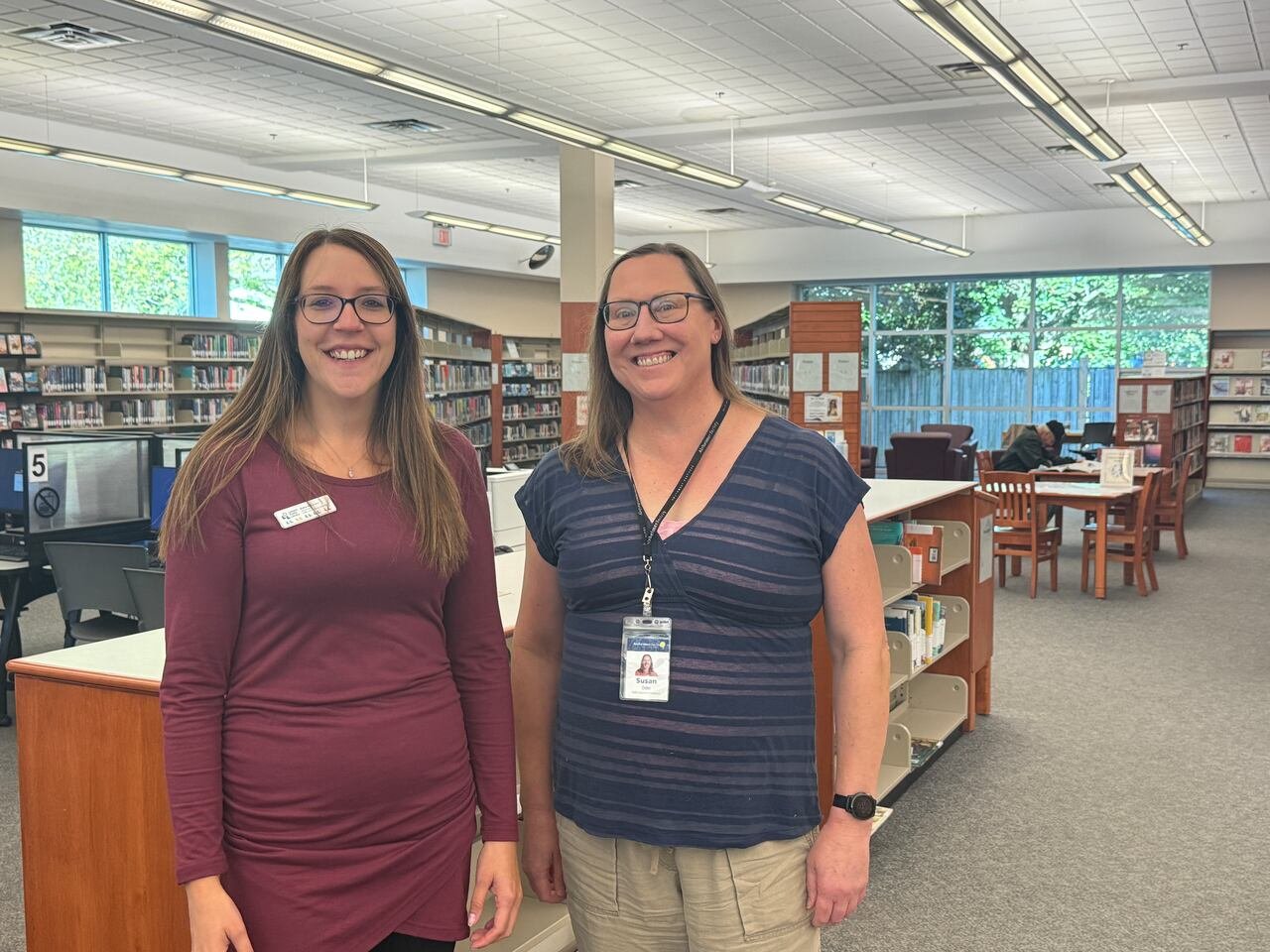
While public libraries are a beloved resource for seniors, those with dementia or Alzheimer’s face unique hurdles that can turn a simple library visit into a distressing experience. Susan Oster, a public education coordinator at the Alzheimer Society Southwest Partners, highlighted how factors like layout and signage can contribute to feelings of unease or disorientation among individuals with dementia.
Addressing these concerns, Oster emphasized the importance of clear signage and accessible furniture within the library space to facilitate navigation and ensure the safety of patrons with Alzheimer’s.
Creating a dementia-friendly environment is crucial, especially as the prevalence of dementia is projected to rise in Canada due to its aging population. Hill emphasized the importance of businesses and spaces becoming dementia-friendly to accommodate this growing demographic.

Currently, there are 770,000 individuals living with dementia in Canada, with a significant portion in Ontario. Oster noted that as the population ages, this number is expected to triple over the next five decades, underscoring the need for inclusive and welcoming spaces for seniors within the community.
Several establishments in London, including the London Intercommunity Health Centre, Cobs Bread, the Municipality of Middlesex Centre, audiology clinics, banks, and seniors’ centers, have collaborated with the Alzheimer Society to become

