
CBC Saskatchewan’s Creator Network offers a platform for young digital storytellers from diverse backgrounds to create original video content for CBC, sharing stories through their unique perspectives. Reach out or submit your story here.
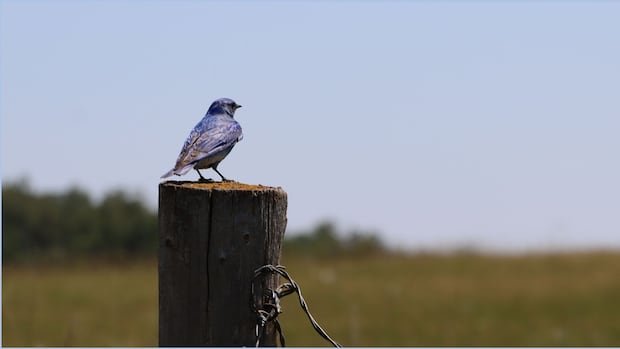
Each spring, individuals of all ages depart Saskatoon to participate as citizen scientists along the Mary Houston Bluebird Trail.
The trail, established in 1969, spans approximately 80 kilometers from just south of Langham, Sask. to just north of Hanley, Sask.
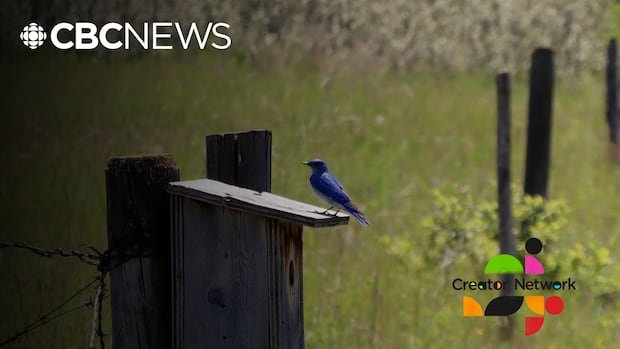
Every 400 meters, a small birdhouse is attached to a fence.
The 250 nest boxes serve as vital habitats for migrating birds and are monitored by volunteers.
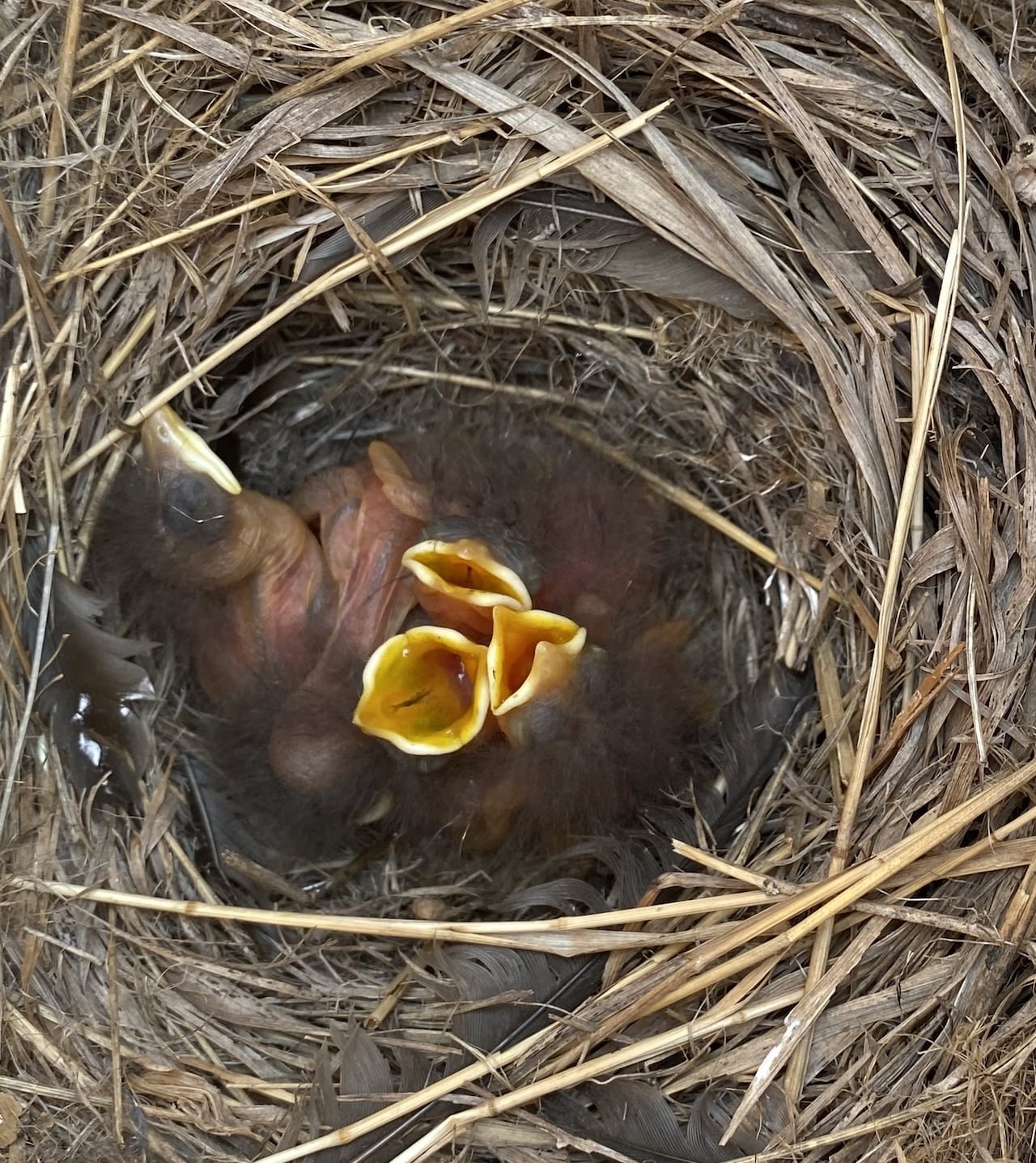
Greg Fenty, a biologist and retired environmental educator, leads the volunteer initiative for the Saskatoon Young Naturalists in collaboration with the Saskatoon Nature Society.
“The Bluebird Trail consists of nest boxes arranged along a country road, monitored for bluebirds and tree swallows to track productivity, brood size, and survival rates,” explained Fenty.
This data aids researchers in monitoring changes in bluebird and tree swallow populations over time.
Historically, bluebird populations declined until the 1950s due to habitat loss and pesticide use. Subsequently, conservation and monitoring efforts intensified.
Bluebirds can live up to eight years on average and travel over 3,000 kilometers during migration.
Every spring, the Mary Houston Bluebird Trail brings families together to learn about conservation by monitoring baby birds.
Volunteers receive training from Fenty on bird handling, banding, and species identification. Fenty holds a scientific permit from the Canadian Wildlife Service for bird banding.

