
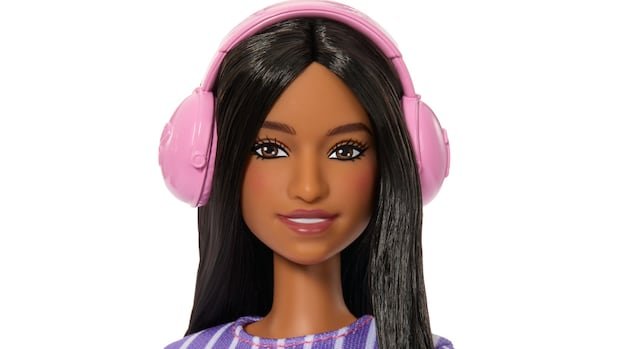
Mattel, the iconic toymaker behind the globally renowned Barbie doll, has introduced a groundbreaking addition to its collection this week, sparking a significant conversation on representation in the world of toys. The latest release, an autistic Barbie, aims to authentically portray visual characteristics and include accommodation accessories typically associated with individuals on the autism spectrum. The development of this doll was informed by extensive consultations with the Autism Self Advocacy Network.
The unveiling of the autistic Barbie underscores the importance of diversity and inclusion in toy representation, particularly for individuals with autism, who are often underrepresented in mainstream toy offerings. This move has been met with enthusiasm by individuals like Katherine L’Etang, a social media influencer and mother of two autistic children, who sees the doll as a positive step towards representation.
While the release of the autistic Barbie has garnered praise for its efforts to include diverse characteristics, some critics have raised concerns about potential stereotyping and misconceptions that may arise from the doll’s design. Julie M. Green, a mother of a child with autism and an autistic individual herself, highlights the need for more nuanced and personalized representations that avoid reinforcing stereotypes.
The debate surrounding the autistic Barbie reflects broader discussions on how autism is portrayed in popular culture and emphasizes the importance of thoughtful and inclusive representation in the toy industry. Despite differing opinions on the doll’s features, the dialogue sparked by its release is seen as a valuable opportunity to promote awareness and understanding of autism spectrum disorders.
As the conversation continues, advocates like Kristyn Sommer stress the need for ongoing discussions on representation and urge toy companies to consider a more inclusive approach in their product lines. While acknowledging the complexities of representing autism in a toy, there is a shared hope among critics and supporters alike that the autistic Barbie will contribute to greater awareness and acceptance of individuals with diverse neurological traits.

