
NASA astronaut Sally Ride made history in 1983 as the first American woman in space. Before her launch, there was a discussion about the number of tampons needed for her week-long mission, highlighting the taboo surrounding menstruation even in modern times.
As space exploration advances, addressing menstruation in space becomes crucial for longer missions. Menstruation usually occurs once a month, lasting around four to seven days. Managing menstruation in space poses challenges, with astronauts often opting for hormonal methods to suppress their periods or using pads and tampons.
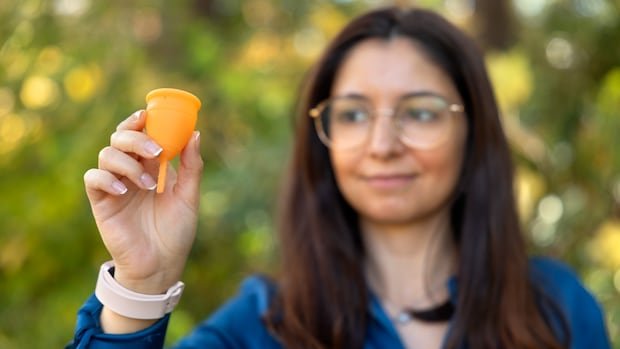
A recent study published in the NPJ Women’s Health journal explores a new option for astronauts who menstruate: menstrual cups. These reusable devices offer a sustainable alternative to traditional methods and have been tested successfully for space conditions.
The potential benefits of menstrual cups for space travel include their lightweight nature, reusability, and the fact that they do not expire like period-suppressing pills. Researchers are also considering other menstrual devices for space missions to provide more options to astronauts.
Looking ahead to future missions, including a trip around the moon in 2026, researchers emphasize the importance of accessibility and diversity in space exploration. Providing suitable solutions for menstruation in space contributes to the success and inclusivity of missions.
Beyond menstrual health, ongoing research explores various aspects of human life in space, including considerations around human sexuality and reproduction. The next steps for menstrual cup research involve testing in space to assess durability under conditions such as radiation and developing sterilization methods.
Overall, the efforts to address menstruation in space aim to provide astronauts with viable options and ensure that no aspect of human health is overlooked in the quest for space exploration.

