
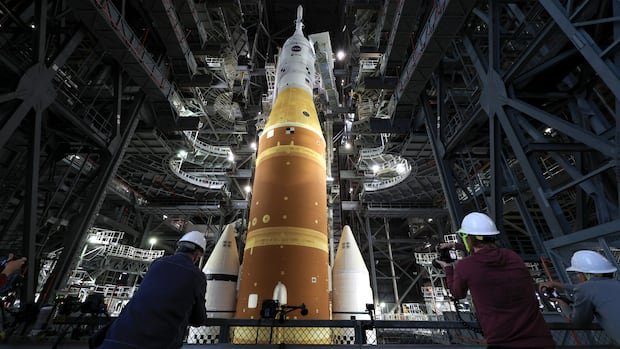
NASA’s Artemis II mission, initially scheduled for a Feb. 8 launch, is now postponed by at least a month due to a hydrogen leak found by NASA during tank fuelling. The first Artemis mission also faced delays due to fuel leaks.
Liquid hydrogen and liquid oxygen, the components of rocket fuel, have extremely low boiling points, making them prone to easy leakage. Liquid hydrogen, with a boiling point of -253 C, is even colder than liquid oxygen. The equipment handling these ultra-cold liquids must withstand the temperature difference between the fuels and the warm Florida air where the rockets are launched.
The core stage of the Space Launch System (SLS) rocket is covered in insulating foam to protect the cold fuel from the warm air. Despite efforts to contain the cryogenic fuel, pressure builds up, leading to leaks due to the ultra-cold temperatures and vapor pressure. Engineers are working to fix leaks at the launch pad to avoid delays and resources.
Hydrogen leaks have been a recurring issue in the space program, with NASA continuing to use it as fuel. Private companies like SpaceX and the Russian space program have switched to kerosene due to its easier handling. The SLS rocket’s use of liquid hydrogen and oxygen is based on technology from the 1970s, providing high thrust-to-weight ratios for heavy lift vehicles.
Critics of the SLS rocket argue that it is costly and non-reusable, unlike modern rockets from private companies. The future of the SLS rocket hinges on addressing hydrogen leaks while considering cost-effectiveness and job preservation for its builders.

