
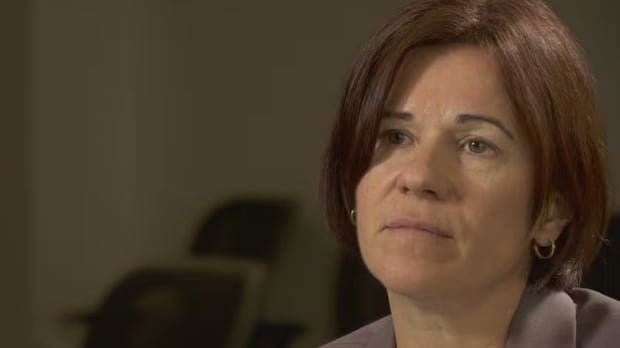
The vice president of medical affairs at Vitalité Health Network is optimistic about the increase in francophone medical school seats in New Brunswick leading to more French-speaking doctors opting to stay in the province for practice. Last week, the province announced funding for an additional eight medical seats at the Centre de formation médicale du Nouveau-Brunswick at the Université de Moncton, with these seats becoming available in 2026. Additionally, the province revealed plans to raise the number of francophone residency training seats from 18 to 26 by 2030.
Dr. Natalie Banville expressed the significance of these additional seats, stating that they will have a substantial impact on the number of Francophone doctors at Vitalité. She highlighted that medical students trained in the province tend to remain there post-education, with a high retention rate of 90%. Dr. Banville mentioned that individuals who choose to establish themselves in New Brunswick show a strong inclination to continue their careers in the province long-term.
In recent years, Vitalité has been actively engaging with New Brunswickers pursuing medical studies at francophone institutions in Quebec and globally to maintain connections. Despite the extended duration of medical training, which can span up to 10 years, some students form lasting ties during their education that may keep them away from their home province permanently.
With the latest funding commitment from the province, the total investment in this type of training is estimated to reach approximately $77 million. Health Minister John Dornan emphasized the importance of investing in such programs to ensure every New Brunswicker has access to necessary healthcare services. Dr. Nicole LeBlanc, the director of the Centre de formation médicale du Nouveau-Brunswick, commended the new funding, stating that it translates into tangible healthcare improvements for communities and underscores a collective effort to establish an accessible and tailored health system.
Dr. Banville also pointed out that the benefits of the new medical seats extend beyond francophone New Brunswickers, as the need for bilingual doctors to serve English-speaking patients is also acknowledged. While Vitalité faces challenges in recruiting doctors, particularly in certain specialties like psychiatry with 14 vacant positions, efforts are being made to address these gaps. Plans include increasing the number of psychiatry seats at the centre and negotiating with Quebec for additional seats with a return of service commitment to New Brunswick, ensuring that graduates practice in the province after completing their training.

