
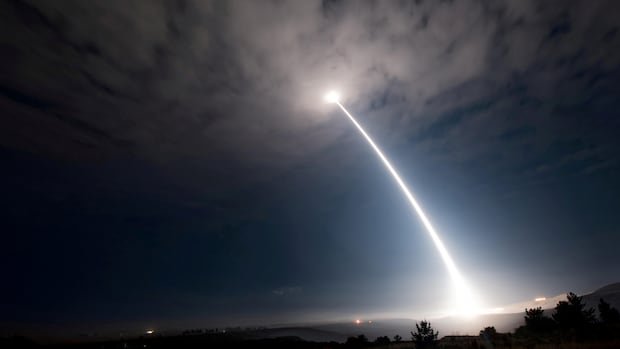
After a period of dormancy, nuclear weapons testing has resurfaced as a significant topic of discussion. Russia recently conducted a test of a nuclear-powered missile without detonating an actual bomb, prompting President Donald Trump to declare that the U.S. would resume nuclear testing. In the 21st century, North Korea stands as the sole country to have conducted nuclear weapons tests, all of which were conducted underground. The U.S. last tested a nuclear bomb in 1992, while Russia’s last test was in 1990 and China ceased testing in 1996.
The iconic and chilling images of nuclear tests from the late 1940s and 1950s, particularly those conducted in the open air, have left a lasting impact. The mushroom cloud from these tests has become symbolic of the nuclear age’s peril. The repercussions of these tests persist, as evidenced by the enduring contamination from radioactive fallout on Bikini Atoll in the Pacific, rendering it uninhabitable.
Most atmospheric testing ceased in 1963 with the adoption of the Partial Test Ban Treaty by the U.S., Soviet Union, and others. While this treaty lacked specific verification mechanisms, it effectively curbed nuclear testing practices. France continued above-ground testing until 1974, and China until 1980, despite the halt by the U.S. and the Soviets.
Although major powers conducted underground testing through the 1980s to contain radioactive fallout, a movement emerged to halt nuclear testing entirely. In 1992, the U.S. initiated a moratorium on testing, followed by the passage of the Comprehensive Nuclear-Test-Ban Treaty (CTBT) by the United Nations in 1996, prohibiting all nuclear test explosions globally.
The CTBT established a global monitoring network to detect nuclear tests, ensuring transparency. However, the treaty has not fully come into effect due to insufficient ratifications, including by major nuclear powers like the U.S., Russia, China, and others. While Russia and China have refrained from large-scale nuclear explosions in recent years, concerns persist about potential smaller tests violating the moratorium.
Recent developments indicate a resurgence in nuclear testing activities, particularly by Russia. Putin announced successful tests of a nuclear-powered missile with unprecedented capabilities and an underwater drone named Poseidon designed to deliver a powerful nuclear strike. The U.S.’ stance on resuming nuclear testing remains ambiguous, with uncertainties regarding the nature of any potential testing.
Trump’s recent announcement contradicts his previous statements about seeking nuclear threat reduction through dialogue with Russia and China. The evolving landscape of nuclear testing underscores the complex challenges surrounding global security and disarmament efforts.

