
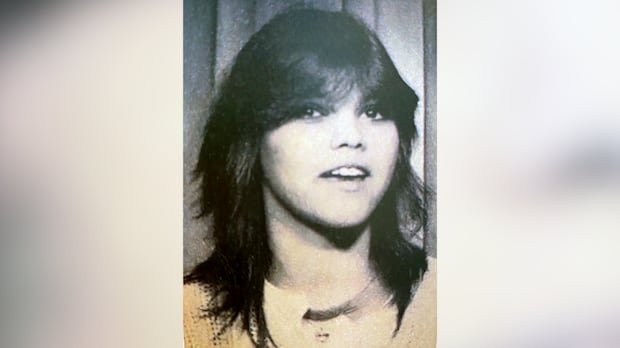
An Ottawa resident has admitted to committing second-degree murder against his wife, resulting in a life sentence without the possibility of parole for 14 years. Robert Rus, aged 61, contacted emergency services on the evening of April 5, confessing to strangling his wife, Brenda Rus, aged 60, at their residence in Barrhaven. Prior to the fatal act, Robert attempted to stab Brenda with a kitchen knife but was thwarted when she managed to knock it from his grasp. In a subsequent interview with Sgt. Anik St-Amour of the homicide unit, Robert disclosed his deliberate intent to kill Brenda and expressed no remorse for his actions.
The mandated life sentence for second-degree murder was accompanied by a parole ineligibility term of 14 years, a consensus reached by defense counsel Ewan Lyttle and assistant Crown attorneys Hart Shouldice and Sarah Dolin. Superior Court Justice Julianne Parfett acknowledged that while no sentence could adequately address the loss suffered by Brenda’s loved ones, the 14-year parole ineligibility period was deemed appropriate. This duration exceeds the minimum of 10 years, aligning with public expectations for severe penalties in cases of intimate partner violence, while also recognizing Robert’s early admission of guilt.
Brenda, survived by two sons and a large extended family, left a profound impact on those close to her. Her eldest son, Joey Ghattas, penned a poignant victim impact statement, expressing the enduring emotional turmoil caused by his mother’s tragic demise. Recalling his stepfather’s lack of empathy and ongoing absence of regret, Joey recounted a chilling statement where Robert asserted that killing Brenda did not define him as a murderer, a sentiment that continues to haunt Joey. He emphasized Brenda’s intrinsic worth and the irreplaceable loss felt by her absence.
In a collective statement delivered by her sister Jean Gilbert, Brenda’s siblings highlighted her compassionate nature and struggles within her marriage. Brenda sought to establish boundaries and uphold her values, but faced emotional manipulation and deceit that ultimately led to her untimely death. Notably, intimate partner violence expert Penny Salamon underscored the perilous nature of separation for victims, urging individuals to seek support and involve law enforcement in situations involving domestic abuse.
As the legal proceedings concluded, Robert declined to provide any additional remarks when prompted by the judge. Reflecting on the tragic outcome, Salamon lamented Brenda’s fate and stressed the importance of seeking assistance when facing abusive relationships to prevent further tragedies. With Robert’s guilty plea marking the conclusion of the criminal case, avenues for appeal are no longer available.

